
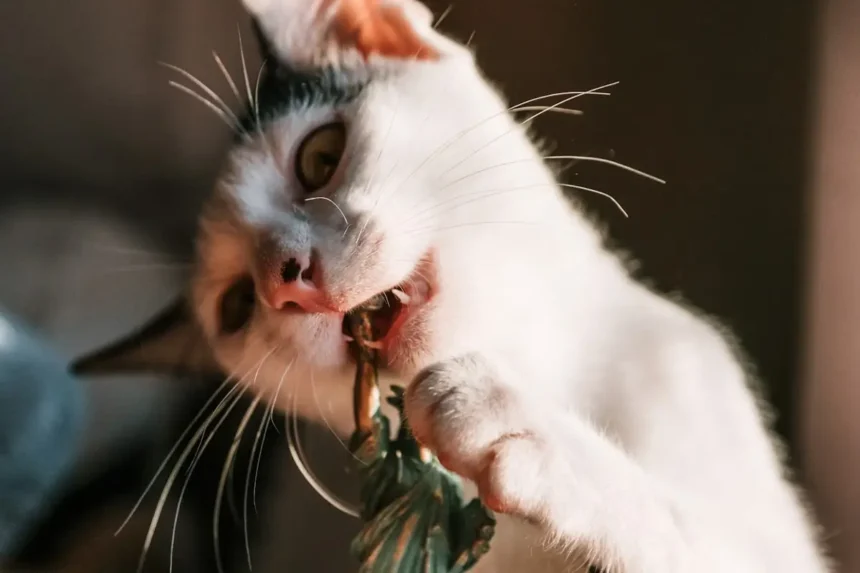
Food aggression in cats can be stressful for both pets and owners. One moment your cat seems calm, and the next they are growling, swatting, or guarding their food bowl like it is under attack. While this behavior may look alarming, it is usually driven by fear, stress, survival instincts, or past experiences—not “bad behavior.”
The good news is that most cats can improve with patience, the right feeding setup, and positive training techniques.
In this guide, you’ll learn:
- What food aggression in cats looks like
- Common causes and warning signs
- How veterinarians and behavior experts manage it
- Mistakes cat owners should avoid
- When it’s time to seek professional help
What Is Food Aggression in Cats?
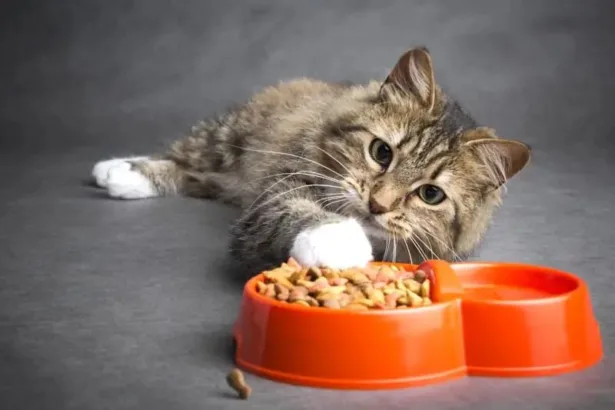
Food aggression is a type of resource guarding behavior where a cat becomes defensive around food or treats. Some cats guard only wet food or high-value treats, while others react during every meal.
Common Signs of Food Aggression in Cats
Your cat may show one or more of these behaviors:
- Growling or hissing near the food bowl
- Swatting or biting when approached during meals
- Eating extremely fast
- Blocking other pets from food
- Hovering protectively over the bowl
- Flattened ears or twitching tail while eating
- Chasing other cats away from feeding areas
In severe cases, a cat may attack another pet or become aggressive toward humans during feeding time.
Why Do Cats Become Aggressive Around Food?
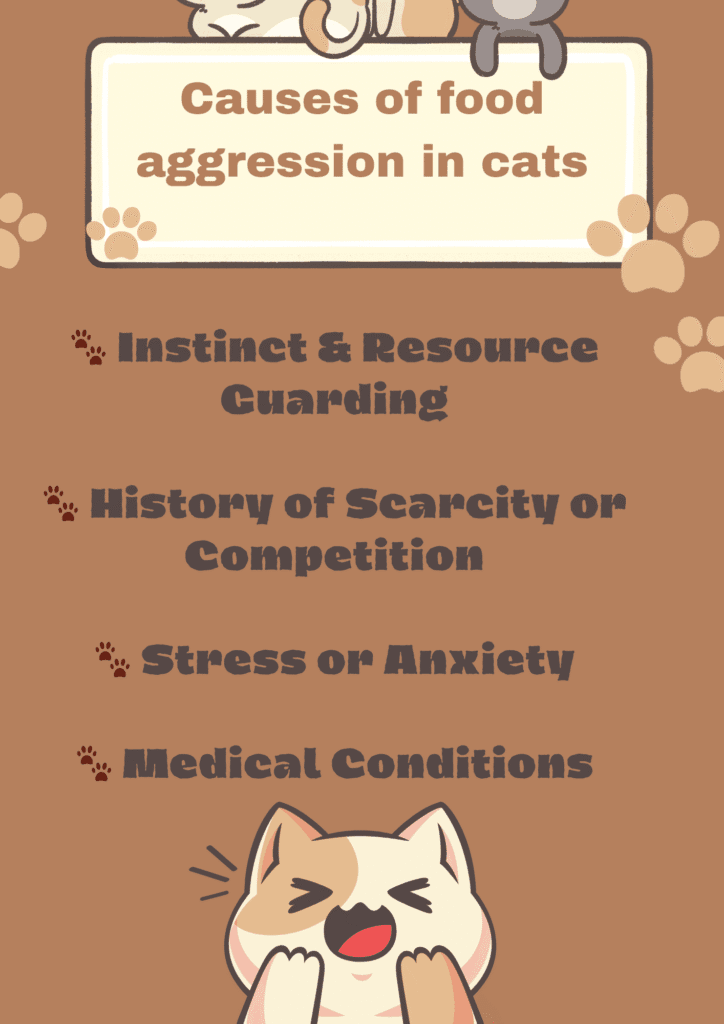
There is rarely one single cause. In veterinary behavior medicine, food aggression is usually linked to a combination of instinct, stress, learned behavior, and environment.
Instinct and Survival Behavior
Even indoor cats still carry strong hunting and survival instincts. In the wild, food is limited, so protecting it can be natural behavior.
Some cats simply feel the need to “claim” their meal, especially if they think another pet may take it away.
Veterinary Insight
Cats that were separated from their litter too early or had to compete heavily for food as kittens are more likely to guard resources later in life.
Past Hunger or Food Scarcity
Many rescue cats, shelter cats, or former stray cats have experienced periods where food was unpredictable.
Because of this, they may:
- Eat very quickly
- Panic around food
- Become defensive during meals
- Constantly search for food
These behaviors can continue even after the cat is living in a safe home with regular meals.
Stress and Anxiety
Stress is one of the biggest hidden triggers behind aggressive cat behavior.
Common Stress Triggers Include:
- Moving to a new home
- New pets in the house
- Loud environments
- Inconsistent feeding schedules
- Competition in multi-cat households
- Lack of safe spaces
Cats thrive on routine. When feeding feels unpredictable or unsafe, some cats react defensively.
Medical Problems That Can Cause Food Aggression
Sometimes aggression around food is linked to pain or illness.
Medical Conditions Associated With Food Aggression
- Dental disease
- Hyperthyroidism
- Gastrointestinal discomfort
- Arthritis
- Chronic pain
- Neurological issues
A cat in pain may lash out simply because they feel vulnerable while eating.
Important Veterinary Tip
If food aggression suddenly appears in an older cat, schedule a veterinary exam as soon as possible. Sudden behavior changes are often medical rather than behavioral.
Symptoms of Food Aggression in Cats
Food aggression can range from mild to severe.
Mild Signs
- Eating quickly
- Guarding the bowl with body posture
- Staring at other pets during meals
Moderate Signs
- Growling
- Hissing
- Swatting
- Chasing other cats away
Severe Signs
- Biting
- Lunging at people
- Attacking pets during feeding
- Injuries from food fights
How to Stop Food Aggression in Cats
Improving food aggression takes consistency and patience. Punishment almost always makes the problem worse.
1. Rule Out Medical Issues First
Before trying behavior training, visit your veterinarian.
A physical exam may uncover:
- Tooth pain
- Digestive discomfort
- Hormonal disorders
- Underlying illness
Treating the medical issue often reduces aggressive behavior significantly.
2. Create a Predictable Feeding Schedule
Cats feel safer when meals happen at the same time every day.
Helpful Feeding Tips
- Feed 2–4 smaller meals daily
- Avoid long fasting periods
- Use measured portions
- Keep feeding times consistent
Predictability lowers food anxiety and reduces panic eating.
3. Feed Cats Separately in Multi-Cat Homes
Competition is a major cause of food aggression between cats.
Best Setup for Multiple Cats
- Feed in separate rooms
- Use baby gates or visual barriers
- Avoid placing bowls too close together
- Give each cat a private eating space
Many cat owners mistakenly force pets to eat side-by-side, which increases stress.
4. Use Puzzle Feeders and Slow Feed Bowls
Puzzle feeders help cats eat more slowly and mentally engage with food.
Benefits of Puzzle Feeders
- Reduces fast eating
- Lowers boredom
- Mimics natural hunting behavior
- Provides mental stimulation
Food puzzles are especially helpful for highly food-motivated cats.
5. Try Desensitization Training
This technique helps cats learn that people approaching the food bowl are not a threat.
Simple Training Method
- Stand several feet away while your cat eats
- Toss a high-value treat nearby
- Gradually decrease distance over time
- Reward calm behavior consistently
The goal is to create positive associations around your presence.
6. Never Punish Food Aggression
One of the biggest mistakes cat owners make is yelling, spraying water, or physically moving the cat during meals.
Punishment increases:
- Fear
- Stress
- Distrust
- Defensive aggression
Instead, focus on calm routines and positive reinforcement.
7. Reduce Overall Household Stress
A mentally enriched cat is often a calmer cat.
Stress-Reducing Enrichment Ideas
- Interactive play sessions
- Cat trees and vertical spaces
- Window perches
- Scratching posts
- Hiding spots
- Routine-based activities
Cats that feel secure in their environment are less likely to guard resources.
Common Mistakes Cat Owners Make
Free-Feeding Multiple Cats From One Bowl
This encourages competition and resource guarding.
Taking the Food Bowl Away as Punishment
This can make cats more anxious and protective around food.
Ignoring Rapid Eating
Fast eating can lead to vomiting, digestive upset, and increased stress.
Assuming the Cat Is “Mean”
Most food-aggressive cats are fearful or insecure—not aggressive by nature.
Quick Reference Guide
| Problem | Likely Cause | Helpful Solution |
|---|---|---|
| Eating too fast | Anxiety or past scarcity | Slow feeder or puzzle feeder |
| Growling during meals | Resource guarding | Separate feeding spaces |
| Fighting between cats | Competition | Feed individually |
| Sudden aggression | Pain or illness | Veterinary checkup |
| Stress around meals | Environmental anxiety | Predictable routine |
When to See a Vet or Cat Behaviorist
Seek professional help if:
- Your cat bites or injures others
- Aggression suddenly worsens
- Weight loss or vomiting occurs
- Training is not helping
- Multiple cats are fighting regularly
A veterinarian or certified feline behaviorist can create a personalized behavior modification plan.
FAQs About Food Aggression in Cats
Can cats grow out of food aggression?
Some kittens improve naturally with stable routines, but many cats need behavior training and environmental changes.
Is food aggression common in rescue cats?
Yes. Cats that experienced hunger, competition, or unstable living conditions are more likely to guard food.
Should I pet my cat while they eat?
Usually no. Many cats prefer privacy during meals. Respecting boundaries helps reduce stress.
Can food aggression be cured completely?
Usually no. Many cats prefer privacy during meals. Respecting boundaries helps reduce stress.
Are certain cat breeds more food aggressive?
Food aggression is more related to personality, environment, and past experiences than breed alone.
Final Thoughts
Food aggression in cats is usually rooted in fear, insecurity, stress, or survival instincts—not dominance or spite. Understanding the emotional and medical reasons behind the behavior is the first step toward helping your cat feel safe again.
With predictable feeding routines, separate meal spaces, positive reinforcement, and patience, many cats become far calmer during mealtimes.
If the behavior becomes severe or dangerous, don’t wait to seek veterinary advice. Early intervention often leads to faster and more successful results.
➡️ Follow @PawBlooms for more empathetic feline wellness tips, and share this guide with fellow cat parents!