

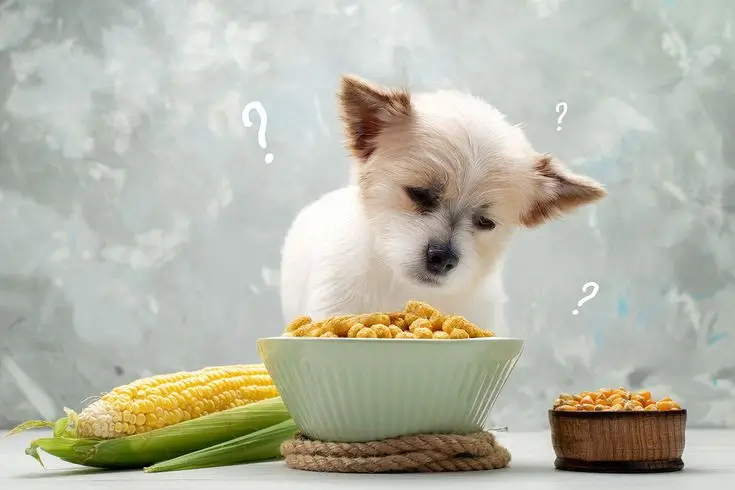
Yes, dogs can eat corn in moderation — and many dogs already do. Corn is actually a common ingredient in commercial dog food because it provides carbohydrates, fiber, vitamins, and energy. But while plain corn is generally safe, some forms of corn can be dangerous for dogs.
The biggest concern is not the corn itself — it is how it is served. Corn on the cob, buttery popcorn, and heavily seasoned corn dishes can cause serious health problems in dogs. That is why it is important to know what is safe and what should stay off your dog’s menu.
Is Corn Safe for Dogs?
Plain cooked corn is usually safe for healthy dogs when served in small amounts.
Dogs can digest corn when it is:
- Cooked
- Removed from the cob
- Plain and unseasoned
Corn contains nutrients that may support your dog’s health, but it should only be an occasional treat alongside a balanced diet.
Why Corn Is Found in Dog Food
Many people assume corn in dog food is just a cheap filler, but that is not completely true.
Corn provides:
- Carbohydrates for energy
- Fiber for digestion
- Protein
- Linoleic acid for skin and coat health
- Vitamins like B vitamins
Veterinary nutritionists often include corn in balanced dog foods because most dogs tolerate it well.
Benefits of Corn for Dogs
Good Source of Energy
Corn contains carbohydrates that help active dogs stay energized throughout the day.
Contains Fiber
Fiber may help support healthy digestion and regular bowel movements.
Provides Important Nutrients
Corn contains:
- Magnesium
- Potassium
- Antioxidants
- Vitamin B
These nutrients help support overall body function.
When Corn Can Be Dangerous for Dogs
Corn itself is usually not the problem. The danger often comes from the cob or unhealthy toppings.
Can Dogs Eat Corn on the Cob?
No — corn on the cob is dangerous for dogs.
This is one of the most common emergency situations veterinarians see during cookout season.
Dogs may swallow chunks of the cob, which can become stuck in the intestines and cause a life-threatening blockage.
Unlike corn kernels, the cob does not digest properly.
Symptoms of an Intestinal Blockage
Watch for:
- Vomiting
- Loss of appetite
- Constipation
- Weakness
- Belly pain
- Trouble passing stool
If your dog eats a corn cob, contact your veterinarian immediately — even if they seem fine at first.
Can Dogs Eat Canned Corn?
Plain canned corn is sometimes okay in small amounts, but many canned products contain too much:
- Salt
- Butter
- Sugar
- Preservatives
Too much sodium can be unhealthy for dogs, especially seniors or dogs with heart problems.
Fresh or frozen plain corn is usually a better choice.
Can Dogs Eat Popcorn?
Plain air-popped popcorn is generally safe in small amounts.
However, flavored popcorn is not a good idea.
Avoid:
- Butter popcorn
- Caramel popcorn
- Cheese popcorn
- Spicy popcorn
These can upset your dog’s stomach and add unnecessary fat or salt.
Unpopped kernels can also become a choking hazard or damage teeth.
Can Puppies Eat Corn?
Puppies can eat tiny amounts of plain cooked corn occasionally, but moderation is important.
Young puppies have sensitive digestive systems, and too much corn may cause:
- Gas
- Loose stool
- Upset stomach
Always introduce new foods slowly.
Signs Your Dog May Not Tolerate Corn
Although uncommon, some dogs may have trouble digesting corn or may be sensitive to it.
Symptoms can include:
- Itchy skin
- Ear infections
- Vomiting
- Diarrhea
- Excessive licking
- Gas
Food allergies in dogs are more commonly linked to proteins like chicken or beef, but corn sensitivities can still happen.
If symptoms continue, talk with your veterinarian.
How Much Corn Can Dogs Eat?
Corn should only be a small treat, not a full meal.
General serving guideline:
- Small dogs: 1–2 tablespoons
- Medium dogs: 2–3 tablespoons
- Large dogs: a small handful
Too much corn may lead to stomach upset or weight gain.
Best Way to Serve Corn to Dogs
The safest way to feed corn is:
- Cook it fully
- Remove it from the cob
- Serve plain
- Avoid butter, oils, and spices
Steamed or boiled corn works best.
Common Mistakes Dog Owners Make
Giving Corn on the Cob
Many owners assume dogs can chew the cob safely. Unfortunately, dogs often swallow large chunks without fully chewing them.
Feeding BBQ Corn
Cookout corn covered in butter, salt, garlic, or spices is not healthy for dogs.
Overfeeding Popcorn
A few plain pieces are fine. An entire bowl is not.
Veterinary Insight: Why Dogs Love Corn
Many dogs enjoy corn because of its slightly sweet taste and crunchy texture.
Veterinarians often recommend sticking to plain corn because dogs do not need the added fats and seasonings people enjoy.
The main thing vets worry about is corn cobs, especially during summer gatherings. Emergency surgeries for intestinal blockages from cobs are more common than many owners realize.
What To Do If Your Dog Eats a Corn Cob
Do not wait for symptoms to appear.
Even if your dog seems normal, intestinal blockages can develop hours later.
Contact your veterinarian right away and monitor for:
- Vomiting
- Lethargy
- Refusing food
- Belly swelling
- Straining to poop
Large dogs are not immune either — any size dog can develop a blockage.
Final Verdict: Can Dogs Eat Corn?
Yes, dogs can safely eat plain cooked corn in moderation.
Corn can provide energy, fiber, and nutrients, but it should always be:
- Removed from the cob
- Plain and unseasoned
- Served in small amounts
Never feed corn cobs to dogs, as they can cause dangerous intestinal blockages.
When served correctly, corn can be a safe occasional treat for many dogs.
FAQ
Can dogs eat corn kernels?
Yes, plain cooked corn kernels are generally safe in moderation.
Is corn bad for dogs?
No, corn is not harmful for most dogs unless they have a sensitivity or eat the cob.
Can dogs eat sweet corn?
Yes, plain cooked sweet corn is usually safe.
Can dogs eat corn chips?
No. Corn chips are high in salt, fat, and seasonings that are unhealthy for dogs.
What happens if a dog eats a corn cob?
A corn cob can cause a dangerous intestinal blockage that may require emergency surgery.