

Vitamins for Cats: Why They Matter – Vitamins play a vital role in your cat’s overall health. From supporting the immune system and maintaining healthy skin to helping with energy production and vision, these essential nutrients keep your feline friend thriving.
Many cat owners wonder whether they should give their pets cat vitamin supplements or if a balanced diet is enough. The answer depends on your cat’s age, health status, and diet.
Most healthy cats eating a complete and balanced commercial diet receive all the vitamins they need. However, some cats—including kittens, senior cats, and those with certain medical conditions—may benefit from additional nutritional support.
In this guide, you’ll learn what vitamins cats need, the signs of vitamin deficiency in cats, how to choose the best vitamins for cats, and when supplements may be helpful.
What Vitamins Do Cats Need?
Cats require several essential nutrients to support growth, immunity, metabolism, and overall wellness.
Vitamin A
Vitamin A is critical for:
- Healthy vision
- Immune system function
- Skin and coat health
- Normal growth and development
Unlike humans and dogs, cats cannot efficiently convert plant-based beta-carotene into vitamin A. They must obtain it from animal-based foods.
Vitamin D
Vitamin D helps regulate calcium and phosphorus levels.
Benefits include:
- Strong bones and teeth
- Healthy muscle function
- Nervous system support
Cats rely on dietary sources because they do not produce sufficient vitamin D through sunlight exposure.
Vitamin E
Vitamin E acts as a powerful antioxidant that helps protect cells from damage.
Benefits include:
- Healthy skin and coat
- Immune support
- Reduced oxidative stress
Vitamin K
Vitamin K is essential for proper blood clotting. A deficiency can increase the risk of abnormal bleeding.
B Vitamins
B vitamins support many important body functions.
These include:
- Thiamine (B1)
- Riboflavin (B2)
- Niacin (B3)
- Pyridoxine (B6)
- Folate
- Cobalamin (B12)
Benefits include:
- Energy production
- Brain function
- Red blood cell formation
- Nervous system health
- Digestive health
What Are the Best Vitamins for Cats?
The best vitamins for cats include:
- Vitamin A for vision and immunity
- Vitamin D for bone health
- Vitamin E for healthy skin and coat
- Vitamin K for blood clotting
- B Vitamins for energy and nervous system support
Most healthy cats obtain these nutrients from a complete and balanced diet, while some cats may benefit from veterinarian-recommended cat vitamin supplements.
Do Cats Need Vitamin Supplements?
One of the most common questions pet owners ask is, “Do cats need vitamins?”
In most cases, healthy cats eating high-quality commercial cat food do not require supplements.
Commercial diets are formulated to meet feline nutritional requirements and provide essential nutrients for cats.
However, vitamin supplements may be beneficial for:
- Senior cats
- Growing kittens
- Pregnant or nursing cats
- Cats recovering from illness
- Cats with digestive disorders
- Cats with poor appetite
- Cats diagnosed with nutritional deficiencies
Always consult your veterinarian before adding supplements to your cat’s routine.
Common Causes of Vitamin Deficiency in Cats
Although vitamin deficiencies are relatively uncommon, they can occur.
Poor-Quality Diet
Low-quality or improperly balanced diets may fail to provide adequate nutrients.
Homemade Diets
A common mistake pet owners make is feeding homemade diets without veterinary guidance.
Homemade meals often lack essential vitamins and minerals, increasing the risk of deficiencies.
Digestive Disorders
Conditions affecting nutrient absorption may lead to deficiencies.
Examples include:
- Inflammatory bowel disease (IBD)
- Chronic diarrhea
- Intestinal parasites
- Pancreatic disorders
Chronic Illness
Long-term illnesses can increase nutritional needs or reduce nutrient absorption.
Liver Disease
The liver stores and processes many vitamins. Liver dysfunction can affect vitamin metabolism.
Symptoms of Vitamin Deficiency in Cats
The signs of vitamin deficiency in cats vary depending on the nutrient involved.
Common symptoms include:
- Poor appetite
- Weight loss
- Low energy levels
- Muscle weakness
- Dull coat
- Dry or flaky skin
- Excessive shedding
- Frequent infections
- Poor growth in kittens
- Vision problems
- Slow wound healing
If you notice these symptoms, schedule a veterinary examination.
Best Vitamins for Senior Cats
As cats age, their nutritional requirements often change.
Vitamins for senior cats may help support:
Immune Health
Older cats may have weaker immune systems, making nutritional support increasingly important.
Brain Function
B vitamins play a role in maintaining healthy cognitive function.
Skin and Coat Health
Senior cats often experience coat changes that may benefit from nutritional support.
Overall Wellness
Cat wellness supplements may help aging cats maintain a better quality of life.
Always consult your veterinarian before introducing vitamins for senior cats.
Best Vitamins for Indoor Cats
Indoor cats have different lifestyles compared to outdoor cats.
Vitamins for indoor cats may help support:
- Healthy weight management
- Skin and coat condition
- Digestive health
- Immune function
Because indoor cats are generally less active, balanced feline nutrition becomes even more important.
Vitamins for Kittens
Growing kittens have unique nutritional needs.
Vitamins for kittens support:
- Healthy bone development
- Brain growth
- Immune system development
- Muscle growth
Most high-quality kitten foods provide all the nutrients needed during growth.
Additional supplementation should only be given under veterinary supervision.
Vitamins for Cats With Poor Appetite
Loss of appetite can lead to nutritional deficiencies if it persists.
Vitamins for cats with poor appetite may be recommended in some cases while the underlying cause is investigated.
Common causes include:
- Dental disease
- Kidney disease
- Gastrointestinal problems
- Infections
- Stress
A veterinarian should determine why your cat is eating less before supplements are introduced.
Vitamins for Healthy Cat Coat and Skin
Many owners search for vitamins for healthy cat coat and vitamins for cats with skin problems.
The most important nutrients include:
- Vitamin E
- Vitamin A
- B Vitamins
- Omega fatty acids
Signs of nutritional-related skin issues may include:
- Dry skin
- Dull coat
- Excessive shedding
- Hair loss
- Poor coat quality
Healthy skin and a shiny coat are often signs of good overall nutrition.
Natural Vitamins for Cats
Many cat owners prefer obtaining nutrients through food whenever possible.
Natural vitamins for cats can be found in:
- Poultry
- Fish
- Eggs
- Organ meats
- High-quality commercial diets
A properly balanced diet remains the safest and most reliable source of essential nutrients.
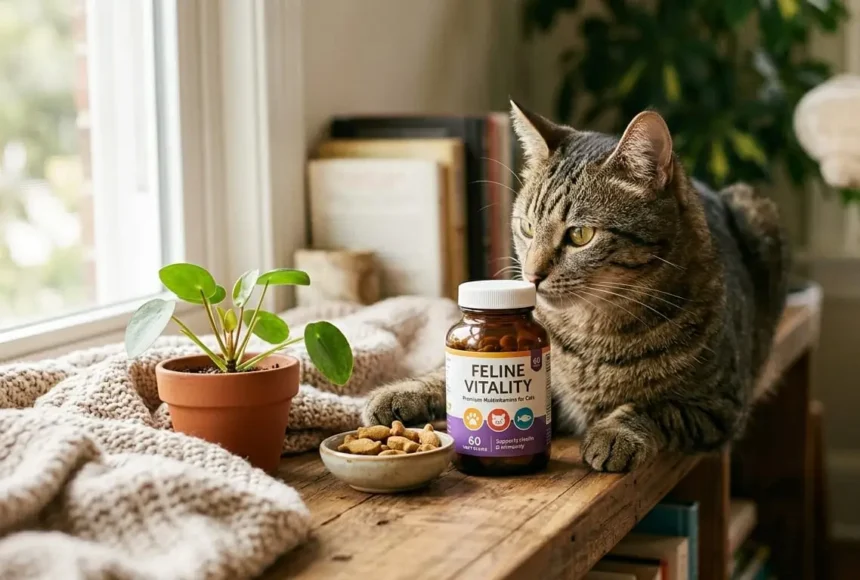
Multivitamins for Cats
Multivitamins for cats can be beneficial in specific situations.
Veterinarians may recommend them for:
- Senior cats
- Cats recovering from illness
- Cats with nutrient absorption problems
- Cats eating homemade diets
Not all cats need multivitamins, and excessive supplementation can be harmful.
How to Choose the Best Cat Vitamin Supplements
When selecting cat nutritional supplements, look for products that:
- Are specifically formulated for cats
- Come from reputable manufacturers
- Have clear ingredient lists
- Follow quality-control standards
- Are veterinarian recommended
The best vitamins for cats address a specific need rather than simply adding unnecessary nutrients.
Common Mistakes Cat Owners Make
Many well-meaning owners accidentally create nutritional problems.
Giving Human Vitamins
Human supplements may contain ingredients that are unsafe for cats.
Over-Supplementing
More vitamins are not always better.
Excessive supplementation can cause toxicity and serious health problems.
Choosing Low-Quality Supplements
Not all products are created equally. Cheap supplements may contain fillers or inaccurate nutrient levels.
Ignoring Veterinary Advice
Always discuss supplements with your veterinarian before starting them.
Can Cats Get Too Many Vitamins?
Yes.
Certain vitamins, especially vitamins A and D, can become toxic when given in excessive amounts.
Symptoms of vitamin toxicity may include:
- Vomiting
- Loss of appetite
- Increased thirst
- Lethargy
- Joint pain
- Kidney problems
Never exceed the dosage recommended by your veterinarian.
Veterinary Tips for Supporting Feline Nutrition
To maintain optimal feline nutrition:
- Feed a complete and balanced diet.
- Schedule regular veterinary checkups.
- Monitor your cat’s weight and appetite.
- Avoid unnecessary supplementation.
- Choose high-quality cat food.
- Use cat health supplements only when recommended.
Good nutrition is one of the most effective ways to support long-term health.
Frequently Asked Questions
What is the best vitamin for cats?
There is no single best vitamin. Cats require a combination of vitamins, including A, D, E, K, and B vitamins, for overall health.
Do indoor cats need vitamin supplements?
Most indoor cats do not need supplements if they eat a complete and balanced diet.
Are multivitamins safe for cats?
Cat-specific multivitamins can be safe when used correctly and recommended by a veterinarian.
Can vitamin deficiencies make cats sick?
Yes. Vitamin deficiencies can contribute to poor coat quality, weight loss, weakness, immune problems, and other health issues.
What are the best vitamins for senior cats?
Senior cats often benefit from nutrients that support immunity, cognitive function, joint health, and skin and coat condition.
Final Thoughts
Vitamins are essential for maintaining your cat’s health, supporting everything from immune function and energy production to skin health and strong bones. While most healthy cats receive all the nutrients they need from a balanced diet, some cats may benefit from carefully selected cat vitamin supplements.
The key is understanding your cat’s individual needs and working with your veterinarian to create the best nutrition plan. By providing proper feline nutrition and monitoring for signs of vitamin deficiency in cats, you can help your feline companion live a healthier, happier life.