

Dogs love meat. Beef jerky smells good, tastes strong, and people assume it must be fine. But when you look closely, the story is more complex. This article dives deep into what beef jerky is, what risks are known (including recent and unresolved findings), how to safely prepare or feed it (if at all), what to do in emergencies, and what alternatives are better.
What Is Beef Jerky?
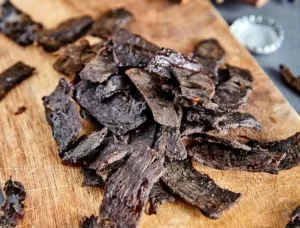
Definition & process: Beef jerky is lean beef that has been sliced, optionally marinated, and dried or dehydrated (smoked, cured, or both). Drying reduces water activity so the meat resists spoilage.
Commercial vs homemade: Commercial jerky for human consumption often includes seasoning, sugar, salt, preservatives (nitrates/nitrites), smoke flavor, and possibly flavor enhancers. Homemade versions can vary widely depending on recipe, equipment, and handling.
Purpose & appeal: The flavor, chewy texture, protein content, and portability make it appealing as a snack. For dogs, the chewy texture is attractive, but it also brings risks.
Can Dogs Eat Beef Jerky?
Yes—with significant caveats. It depends almost entirely on how the jerky was made, what ingredients are included, how much is given, the dog’s health, and whether any toxic additives are present.
- Unseasoned, minimally processed, lean beef jerky could be safe as an occasional treat.
- Most store-bought human jerky has ingredients or preparation steps that make it unsuitable—or risky—for dogs.
Is Beef Jerky Safe for Dogs? Known Risks & Emerging Concerns
When it comes to beef jerky, the obvious dangers—like high salt, sugar, and spices—are well known. But there are also deeper and emerging risks that many pet owners and even some articles overlook. These go beyond temporary stomach upset and can lead to more serious, long-term health issues.
1. Fanconi-Like Syndrome
One of the most concerning conditions linked to jerky treats is Fanconi-like syndrome, a kidney disorder affecting the proximal tubules. This causes dogs to lose vital nutrients such as glucose, amino acids, and bicarbonate through their urine. Common symptoms include excessive thirst and urination, weight loss, and weakness.
The FDA has documented more than a thousand cases of jerky-related illnesses and deaths, with Fanconi-like syndrome appearing in many. A 2021 veterinary study of 30 affected dogs showed that while most improved once jerky was removed from their diets, only about 79% made a full recovery—and recovery times ranged from weeks to nearly a year.
2. Kidney Disease and Renal Stress
Even without Fanconi syndrome, jerky can strain the kidneys. High sodium, preservatives, and toxins place extra stress on these organs, especially in older dogs or those with preexisting kidney disease. Veterinary reports, including cases from Japan, have described dogs developing chronic kidney issues after eating jerky daily.
3. Food Safety and Bacterial Contamination
Jerky also carries a microbial risk if it isn’t prepared correctly. Dehydrating meat at low temperatures doesn’t always kill pathogens like E. coli or Salmonella. Instead, these bacteria can survive and even concentrate as the moisture content decreases. USDA guidelines caution that many home dehydrators don’t consistently reach safe kill temperatures, leaving both dogs and humans vulnerable to foodborne illness.
4. Ingredient Toxicity
Many human jerky brands use flavorings such as garlic and onion powder, which are toxic to dogs and can destroy red blood cells, leading to anemia. Some flavored products also contain xylitol, a sugar substitute that is extremely dangerous for dogs, even in tiny amounts, and can cause hypoglycemia and liver failure. On top of that, FDA investigations have found unexplained chemical residues in some imported jerky treats, adding another layer of risk.
5. High Sodium and Other Additives
Excess sodium, nitrates, nitrites, and smoke flavoring make jerky particularly harsh on a dog’s system. These compounds can cause dehydration, electrolyte imbalances, and exacerbate conditions such as heart or kidney disease. While humans may tolerate processed meats, dogs’ smaller bodies make them far more sensitive.
6. Choking, Obstructions, and Digestive Upset
Finally, jerky’s tough, chewy texture can be dangerous on its own. Large strips may pose a choking hazard, especially for small breeds or dogs that gulp food quickly. Pieces that aren’t chewed properly can cause intestinal obstructions. Additionally, fatty jerky strips can trigger pancreatitis, a painful and potentially life-threatening inflammation of the pancreas.
Why Can’t Most Dogs Eat (Human) Beef Jerky Regularly?
Human jerky is made for taste, with ingredients like salt, sugar, and spices, rather than for canine health. Dogs have a different metabolism than humans, making them more sensitive to certain toxins, such as alliums, and less able to process excess salt or preservatives. Regular consumption of high-protein, high-salt foods can worsen or even trigger renal disease in dogs, while also contributing to hypertension or aggravating existing health issues involving the heart, liver, or kidneys. While many sources discuss immediate risks, the potential cumulative effects of daily or frequent exposure are often underrepresented.
Overlooked Risks and Critical Considerations
Most articles about dogs and beef jerky touch on the basics—like salt, sugar, or spice content—but they often leave out deeper details that really matter for your dog’s health. Here are several important considerations that many guides fail to emphasize.
1. Dose and Frequency Thresholds
Simply saying “in moderation” isn’t enough. The real question is how much is too much? Veterinary nutritionists generally recommend that treats make up no more than 10% of a dog’s total daily calories. For a 20-pound dog, that’s only a few grams of plain jerky. The danger grows when jerky is offered daily or in larger portions, since cumulative exposure to sodium or other additives can trigger issues like Fanconi-like syndrome or salt toxicity.
2. Long-Term Outcomes
While many dogs improve once jerky is removed from their diet, recovery isn’t always complete. Some dogs suffer lasting kidney damage, requiring ongoing monitoring and dietary management. Recovery times vary widely—from just a few weeks to over a year—so follow-up veterinary care is essential even if symptoms seem to fade.
3. Variability by Breed, Age, and Health Status
The risks of jerky aren’t equal for every dog. Puppies, senior dogs, and pets with kidney, liver, or heart conditions are especially vulnerable. Small breeds also face greater risk since even a single strip can represent a much higher dose of sodium or toxins relative to body weight. What might be tolerable for a healthy adult Labrador could be dangerous for a senior Shih Tzu.
4. Geographical Source Risks and Regulation
Another often-overlooked factor is where the jerky comes from. Many recalls and FDA warnings have involved imported treats, particularly from China, where oversight and safety standards can differ from U.S. regulations. Packaging may not clearly state the origin of every ingredient, so pet owners should be cautious and favor brands with transparent sourcing and stronger safety records.
5. Food Safety in Homemade Jerky
Homemade jerky is often promoted as a safer option, but improper preparation carries its own risks. Dehydrators alone may not reach the kill temperatures needed to eliminate pathogens like E. coli or Salmonella. To reduce risk, beef strips should be preheated to at least 160°F before drying, dehydrated thoroughly, and stored in airtight containers. Failure to do so can lead to contamination or mold growth, endangering your dog instead of protecting them.
6. Nutritional Balance and Diet Interactions
Jerky is high in protein but not a balanced source of nutrition. Overusing it as a regular snack can skew a dog’s diet toward excess protein while neglecting fiber, vitamins, and minerals. For dogs on special diets—such as those formulated for kidney disease—jerky can directly interfere with treatment goals. Treats should always complement, not replace, a balanced feeding plan.
7. Emergency Response Protocols
Many guides list symptoms of jerky-related illness but don’t clearly explain what to do next. If your dog consumes spiced or flavored jerky, call your vet immediately, especially if symptoms like vomiting, diarrhea, weakness, or excessive thirst appear. Be prepared to share what type of jerky was eaten, how much, and when. Bringing the packaging with you to the vet can help them identify potential toxins quickly and start the right treatment.
Human Beef Jerky vs Dog Jerky (Truly Dog-safe Varieties)
- Dog jerky (pet-formulated): Designed with canine tolerances in mind. Minimal spices, low or no salt, no Alliums, clear country/manufacturer origin, safer additives. May have veterinary or regulatory oversight. But even pet treats have had cases involved in jerky treat illness reports (see Fanconi syndrome links). So “dog jerky” is safer but not automatically safe.
- Human beef jerky: Attractive flavor, but frequently includes onion/garlic powders, high salt, sugar or sweeteners, smoking agents, preservatives. Highly variable manufacturing standards; imported products may have less oversight.
- Precise differences to check: label for “no onion/garlic,” check sodium content (if specified), check whether it says “single-ingredient beef,” country of origin, whether it’s processed in a facility handling toxic additives, whether preservatives/nitrates are listed.
Human Jerky and Canine Health
Differences in Formulation
Human jerky is created for human taste preferences, using ingredients such as salt, sugar, and spices. While this enhances flavor, it does not consider canine nutritional requirements and may introduce compounds that are harmful to dogs.
Canine Metabolic Sensitivities
Dogs metabolize foods differently from humans. They are particularly sensitive to certain toxins, such as alliums, and are less able to handle excess salt and preservatives. These differences increase their risk of adverse reactions when consuming foods designed for humans.
Health Risks of Regular Consumption
Renal Health
Frequent intake of high-protein, high-salt foods can strain the kidneys, worsening or even inducing renal disease in dogs.
Cardiovascular Impact
Excess sodium in the diet may contribute to the development of hypertension, a risk factor for additional health problems.
Other Conditions
Underlying cardiac, hepatic, or kidney diseases can be aggravated by the preservatives and nutrient imbalances found in human jerky.
Short-Term vs. Long-Term Concerns
While a single exposure to human jerky may cause limited harm, the cumulative effects of daily or regular feeding present more serious risks. Many sources focus on immediate dangers, but the long-term impact of consistent exposure remains under-discussed and deserves greater attention.
How to Feed Beef Jerky to Dogs — Best Practices & Protocols
If after considering the above, you still want to feed jerky to your dog, here are detailed protocols to reduce risk.
- Start with vet check if your dog is young, old, or has kidney/heart/liver disease or allergies.
- Choose the safest source:Single-ingredient beef, no seasoning, no onion/garlic, no sweeteners, preservatives minimal.If store-bought, from brands with good reputation, transparent labeling, ideally manufactured in regions with strong pet-food safety regulations.Know country of origin for both meat and any seasonings.
- Portion and frequency:Jerky should be very occasional — treat-level items. Possibly <5% of daily caloric intake or less, depending on the dog’s caloric needs.For a medium dog (say 20-25 kg), maybe a few small pieces (training size) once in a while; definitely not daily, not large strips.
- Serving size by weight of dog:Small breeds: tiny slivers;Large breeds: can manage larger pieces but still should be moderate.
- Monitoring after first feeding:Watch for GI upset (vomiting, diarrhea), increased thirst or urination, change in appetite, lethargy.Monitor urine/glucose if possible (if dog has risk of kidney disease)
- Safe homemade jerky method (detailed):Choose lean meat. Remove visible fat. Freeze slightly to make slicing easier.Slice thin (1/8-1/4 inch) for even heat penetration.Preheat meat to 160°F (71°C) (for beef) to kill pathogens before starting dehydration. USDA/FSIS guidance supports this.Use dehydrator capable of steady temperature (≥145°F during dehydration; many recommend ≥155°F). Some sources suggest drying for 4-6 hours or more, sometimes running up to 8 hours depending on thickness and humidity.After dehydration, optional (but safer) step: heat in oven 275°F for ~10 minutes (or equivalent) as a finishing step to ensure internal temps are safe.Store in airtight container, refrigerate, or freeze if not used quickly. Homemade jerky lacks preservatives. Use within 1-2 weeks if refrigerated; longer if frozen. Always inspect for mold or spoilage.
- Emergency protocol if unsafely exposed (spiced, seasoned, large amount etc.):Note: How much & what kind: Keep packaging if possible; snapshot of ingredients list, amount eaten, time.Observe for early signs: vomiting, diarrhea, excessive thirst, frequent urination, lethargy, pale gums, breathing difficulties.Contact your veterinarian; bring details. Might need lab tests (urinalysis for glycosuria, blood work for kidney values).If onion/garlic ingestion suspected, prompt vet attention is needed. For xylitol (if present), that’s an emergency.
Alternatives to Jerky for Your Dog
If jerky seems risky or you’d like safer chew/treat options:
- Freeze-dried single-ingredient meats from reputable pet brands
- Plain cooked lean meats (boiled or baked, no seasoning) cut into small pieces
- Dental chews/dental-approved treats (watch fat & caloric content)
- Natural chews like bully sticks, pigs’ ears (but these have own risks: fat, digestibility, choking)
- Vegetables safe for dogs (carrot, green beans) as low-calorie treats
Homemade Jerky Treats: Safe Recipes & Step-by-Step

Here’s a detailed safe recipe you can follow, with temperature, time, and hygiene included.
Ingredients & Equipment:
- Lean beef (e.g. top round or flank), trimmed of visible fat
- Clean cutting board, sharp knife
- Food thermometer (measures internal temp accurately)
- Dehydrator (or oven) capable of holding consistent temperature (≥145-160 °F / ~63-71 °C)
- Clean trays, parchment/lined racks
- Airtight storage containers
Steps:
- Preparation & Hygiene
- Wash hands, sanitize surfaces and utensils.
- Freeze meat slightly (30-60 minutes) to make slicing easier and reduce risk of slipping.
- Slice Thin
- 1/8-1/4 inch thick strips. Against grain for softer chew (easier for chewing), with grain for tougher.
- Pre-Heat / Pathogen Kill Step
- Heat meat to internal temp of 160°F (71°C) (beef). Confirm with thermometer.
- Dehydration
- Place strips on dehydrator trays with space between pieces for airflow.
- Maintain dehydrator temperature of 145-160°F (≥145°F is safer; many sources recommend ≥155°F). Dry for several hours (4-8 depending on thickness and humidity). Flip if needed; check for moisture.
- Optional Finishing Bake
- After drying, optionally bake in oven at ~275°F for ~10 minutes to ensure any surviving pathogens are destroyed.
- Check for Doneness
- Jerky should bend but not snap; no visible moist or “wet” spots inside. No soft fleshy feel.
- Storage
- Cool fully. Store in airtight containers. Refrigerate if going to use within 1-2 weeks; freeze for longer periods. Discard any with signs of mold, sliminess, or odd smell.
- Serving
- Break into small pieces especially for small dogs. Use as treat/topping, not as primary diet.
What to Do If Your Dog Eats Spiced or Problematic Beef Jerky
If your dog gets hold of regular beef jerky (high salt, spiced, seasoned, unknown additives):
- Immediately remove access to more.
- Gather product info: brand, package, ingredients list, how much eaten, approximate time.
- Evaluate dog: size, age, health status.
- Monitor for symptoms over next 24-72 hours:
- GI upset: vomiting, diarrhea
- Increased thirst/urination
- Lethargy, weakness
- Pale gums (Anemia)
- Unusual behavior, trembling
- Call Vet if:
- Onions/garlic/xylitol may have been in product
- Dog is young, old, or has health issues
- Symptoms severe or worsening
- Bring sample or packaging to vet if possible (helps lab tests).
- Supportive care might include fluids, diet rest, possibly meds depending on toxicity.
Before Sharing With Your Pooch — Checklist
Before giving any beef jerky or jerky treat, go through this checklist:
- Does the label list no onion/garlic/xylitol?
- Is sodium content given (or does the label say “low salt”)?
- Does it say single ingredient beef, or are there flavorings/preservatives?
- What is source/origin (country, brand reputation)?
- Does the treat brand have any recalls, or has FDA issued warnings about similar items?
- Is your dog at risk (age, kidney/heart disease, allergies)?
- Portion size appropriate?
- Texture appropriate (not too hard; small enough pieces)?
- Was the jerky prepared under safe temperature & drying practices (if homemade)?
Can Dogs Be Allergic to Beef?
Yes. Beef is one of common protein sources related to food allergies or sensitivities in dogs. Signs include:
- Skin issues: itching, hot spots, ear infections
- Gastrointestinal signs: chronic diarrhea, vomiting
- Poor coat or dull hair
If your dog shows these signs, eliminate beef (including beef jerky) for some weeks under guidance of a vet (elimination diet), then reintroduce to test. Also significant that some jerky treat illness reports overlap with dogs that perhaps already had compromised immunity or kidney function.
Conclusion
- Dogs can eat beef jerky if it’s really plain, prepared safely, given in tiny amounts, and if the dog is healthy. But most human beef jerky is not safe for regular or even semi-regular feeding.
- The biggest risks are from toxic seasonings (especially onion/garlic), bacterial contamination, cumulative kidney damage (Fanconi-like syndrome), high sodium load, choking/digestive issues.
- Many of the reported jerky treat illness cases are not fully explained—but enough evidence exists that caution is warranted.
- Homemade jerky is a good route if done properly, but requires care for temperature, drying, hygiene, packaging.
- Always check with your vet before adding jerky treats, especially if your dog has health concerns.
FAQ (Advanced, Science-Backed)
Q: What is Fanconi syndrome, and how is it related to jerky treats?
A: Fanconi syndrome is a defect in the proximal renal tubules where nutrients (glucose, amino acids, bicarbonate) are lost in urine instead of being reabsorbed. Studies since ~2007 show that excessive ingestion of jerky treats correlates with acquired Fanconi in dogs. In many cases symptoms improve when jerky is removed; recovery of glycosuria often occurs within ~6.5 weeks median, but clinical recovery takes longer (~11 weeks median), and some kidney damage may persist.
Q: At what temperature must homemade beef jerky be heated to be safe?
A: Meat (beef) should be preheated internally to 160°F (71°C) to kill pathogens. Then dehydration should maintain ≥145-155°F with sufficient time. Many safe-jerky recipes also recommend finishing in a hotter oven (e.g. 275°F for 10 min) to ensure safety.
Q: Are there any dogs that shouldn’t eat jerky at all?
A: Yes. Puppies (gastrointestinal systems immature), senior dogs, dogs with kidney disease (or predisposition), dogs with allergies to beef, heart disease (salt load), dogs on restricted diets. Also dogs that are already ill (GI issues, liver disease).
Q: Is there a known “safe limit” of jerky per week?
A: There is no uniform standard published yet. Based on studies, jerky treats should be occasional — not daily. For small dogs, even one strip may be significant. For example, in Fanconi studies dogs had frequent jerky treat ingestion. Translating to serving sizes: many veterinarians suggest treats in general (of all types) not exceed ~10-15% of caloric intake; jerky should be much less of that.
Q: Can cooking the jerky longer or hotter always make it safe?
A: Not always. Overcooking can make it brittle, difficult to chew, might burn surface while interior remains moist. Also, some toxins (like those in onions/garlic) are not neutralized by heat after ingestion. So safer to avoid those ingredients altogether, rather than attempt to neutralize with heat.
