

An ear infection in cats 🐱, medically termed feline otitis externa (inflammation of the outer ear canal), is a common and often painful issue for your pet. Early recognition of cat ear infection symptoms is vital, as immediate veterinary treatment prevents the infection from progressing into the middle ear (otitis media) or inner ear (otitis interna), which can lead to serious complications like hearing loss and loss of balance. This comprehensive article details the essential signs to look out for, explores the common causes (how do cats get ear infections), and provides expert advice on managing the condition, including how to identify a cat ear yeast infection and the safest practices for addressing the issue (how to treat cat ear infection at home).
👂 Cat Ear Infection Symptoms (Signs of Feline Otitis Externa)
Healthy cat ears are typically pale pink, clean, and odorless. Any deviation from this should raise suspicion of an infection. Look out for these signs of discomfort and inflammation, which are key indicators that your cat needs attention:
Behavioral and Physical Signs
The symptoms of a cat ear infection can be broken down into signs related to pain and itchiness, discharge and odor, and changes in the ear’s appearance.
Pain and Itchiness
- Excessive scratching or pawing at the ears is a major indicator of irritation and intense itching (pruritus). This can lead to self-trauma and scratches on the pinna (outer ear flap).
- Head shaking or frequent ear twitching is the cat’s attempt to dislodge debris or relieve discomfort.
- Head tilting (often toward the affected ear) can signal a more severe middle or inner ear problem impacting the vestibular system (balance).
- Pain or head shyness when the ear area is touched is a sign of significant inflammation.
Discharge and Odor
- A strong, foul, or musty odor coming from the ear is a hallmark sign, often indicating a cat ear yeast infection (Malassezia overgrowth).
- The presence of ear discharge (yellow, brown, or black) varies by cause.
- Dark, dry, waxy discharge resembling coffee grounds is the classic sign of a highly contagious ear mite infestation (Otodectes cynotis).
- Thick, yellowish/creamy, or waxy, dark discharge can point toward bacterial or yeast infection.
- Waxy buildup or dark residue on or near the ear canal.
Appearance and Severe Signs
- Redness or swelling (inflammation) inside the ear canal or on the ear flap.
- Chronic ear infections in cats that are left untreated can lead to severe signs:
- Loss of balance (disorientation or ataxia).
- Walking in circles.
- Hearing loss.
- Changes in behavior (hiding, irritability) due to chronic pain.
🦠 How Do Cats Get Ear Infections? (Primary Causes)
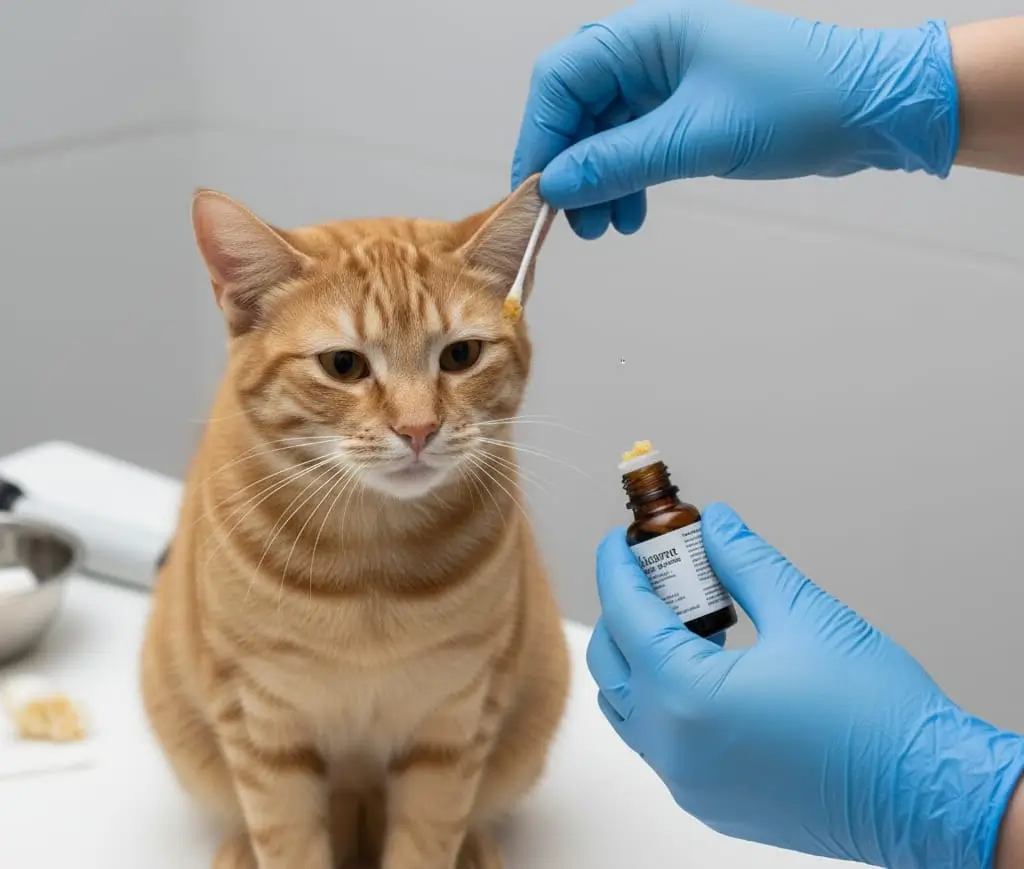
Ear infections in cats are rarely primary; they are usually secondary infections that thrive when an underlying condition disrupts the normal, healthy ear environment. Understanding these primary triggers is key to preventing recurring ear infections in cats.
Top Primary Causes of Feline Ear Inflammation
- Ear Mites (Otodectes cynotis): The most common cause of otitis, especially in outdoor kittens. The intense irritation from these parasites leads to the characteristic cat ear discharge coffee grounds and predisposes the ear to secondary infections.
- Allergies: Both food allergies and environmental allergies (atopy) cause systemic skin inflammation. The ear canal lining is sensitive to these allergic flare-ups, which lead to inflammation and subsequent overgrowth of microbes. This is a common cause of recurring ear infections in cats.
- Foreign Bodies: Objects (like grass awns) lodged deep in the ear canal can cause trauma, obstruction, and severe localized infection.
- Excessive Wax Buildup: Excess debris traps moisture, creating an ideal breeding ground for bacteria and yeast.
- Growths (Polyps or Tumors): Benign growths (inflammatory polyps) or tumors in the ear canal block airflow and prevent natural drainage, leading to chronic ear disease.
- Underlying Health Conditions: Immune system diseases (FIV/FeLV) or metabolic disorders (like diabetes mellitus) can weaken the cat’s defenses and promote microbial growth.
The Role of Cat Ear Yeast Infection (Malassezia Otitis)
Yeast (Malassezia pachydermatis) and bacteria are the direct cause of the infection component. A cat ear yeast infection is almost always secondary to inflammation from allergies or mites. The altered pH and increased moisture in the inflamed ear canal allows the naturally present yeast to overgrow rapidly, causing the thick, foul-smelling discharge.
🚨 How to Treat Cat Ear Infection at Home: Veterinary Consultation is Essential
It is crucial to emphasize that treating a cat ear infection at home with unverified remedies can be dangerous. Without a proper veterinary diagnosis, you risk using the wrong medication, delaying effective treatment, and potentially causing permanent damage. Always consult your veterinarian first.
Why You Must Seek Professional Veterinary Care
- Microscopic Diagnosis (Cytology): A vet must analyze the ear discharge under a microscope to confirm if the infection is caused by mites, bacteria, or yeast. This determines the best treatment for cat ear infection.
- Eardrum Integrity: The vet will use an otoscope to check if the eardrum is ruptured. Using certain topical antibiotics or cleaners on a ruptured eardrum can cause serious inner ear damage and pain.
- Finding the Primary Cause: Effective treatment for recurring ear infections requires identifying and managing the underlying cause (e.g., changing diet for food allergies, or using anti-parasitics for mites).
Veterinary Treatment Options (Targeted Solutions)
- Diagnosis and Cleaning: The vet will perform a deep, professional cleaning (sometimes under sedation) to remove all infection-causing debris.
- Targeted Medication:
- Ear Mites: Topical anti-parasitic drops or systemic spot-on treatments.
- Yeast/Bacteria: Medicated cat ear drops or ointments containing a combination of an antibiotic, an antifungal (for Malassezia), and a corticosteroid to reduce severe ear inflammation.
- Severe/Middle Ear Infections: Oral antibiotics or antifungals may be prescribed to reach deep-seated infections.
Safe At-Home Management (Supportive Care)
Your primary role at home is strict medication compliance and monitoring:
- Strict Adherence: Administer the prescribed cat ear infection medication (e.g., antifungal ear drops) exactly as directed for the full course.
- Prevent Self-Trauma: Use an Elizabethan collar (E-collar) if your cat is still scratching and causing further injury to the ear flap.
- Preventative Care: Maintain year-round parasite prevention to guard against ear mites, especially if your cat goes outdoors.
❓ Frequently Asked Questions (FAQ)
Q1: What is the risk of leaving a cat ear infection untreated?
A: Untreated feline otitis externa can lead to chronic pain, permanent narrowing of the ear canal, hematomas (blood pockets) on the ear flap from head shaking, and can progress to severe infections of the middle ear (otitis media) or inner ear (otitis interna), potentially causing permanent hearing loss and neurological balance problems.
Q2: Can I use human ear infection drops on my cat?
A: Absolutely not. Human medications often contain ingredients that are toxic to cats (especially those containing certain preservatives or essential oils) or are formulated with concentrations unsafe for feline ears. Always use medication prescribed by a veterinarian.
Q3: What does the vet do to diagnose the cause of the ear infection?
A: The vet performs an otoscopic examination (looking inside the ear with a scope) and ear cytology. Cytology involves taking a swab of the ear discharge and examining it under a microscope to definitively identify the presence and type of mites, yeast, or bacteria.
Q4: How can I prevent my cat from getting recurring ear infections?
A: Preventing recurring ear infections in cats requires addressing the primary underlying cause. This often involves: year-round parasite control, using medicated ear cleaners (only as directed by your vet), and working with your vet on a management plan for allergies (such as a food trial or anti-inflammatory medications).
