

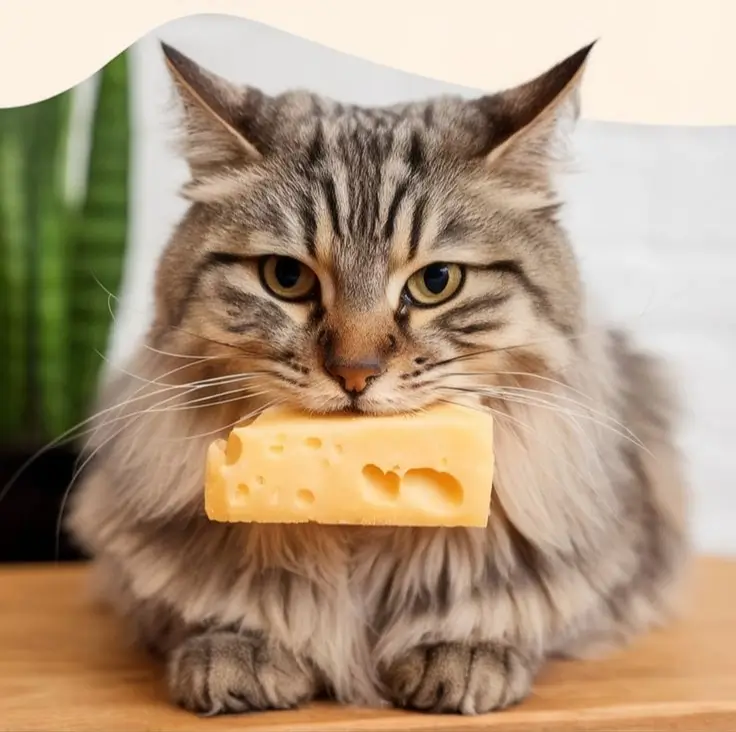
Many cat owners have experienced this situation: you’re enjoying a slice of pizza or a cheese snack, and suddenly your cat appears, staring at you as if they’ve never been fed before. It’s tempting to share a small bite, but is cheese actually safe for cats? The short answer is yes, cats can eat cheese in small amounts. However, that doesn’t mean cheese is a healthy or necessary part of a cat’s diet. In fact, many cats have trouble digesting dairy products, which can lead to digestive upset.
Before offering your feline friend a cheesy treat, here’s what every cat owner should know.
Is Cheese Safe for Cats?
Cheese is not toxic to cats, so a small piece is unlikely to cause serious harm in most healthy cats.
However, cats are obligate carnivores. Their bodies are designed to get nutrition primarily from animal-based proteins rather than dairy products. As cats grow older, many produce less lactase, the enzyme needed to digest lactose found in milk and dairy products.
Because of this, some cats may experience stomach problems after eating cheese.
Why Do Cats Like Cheese?
Many cats are attracted to cheese because of its:
- Strong smell
- High fat content
- Rich protein content
- Creamy texture
Cats rely heavily on their sense of smell when choosing food. The aroma of cheese can be especially appealing, even though it’s not something cats would naturally eat in the wild.
Nutritional Value of Cheese
Cheese contains some nutrients that may sound beneficial, including:
- Protein
- Calcium
- Vitamin A
- Vitamin B12
- Fat
However, cats can get these nutrients more effectively from meat-based foods specifically formulated for feline nutrition.
The drawbacks of cheese often outweigh the benefits.
Potential Risks of Feeding Cheese to Cats
Lactose Intolerance
One of the biggest concerns is lactose intolerance.
Many adult cats cannot properly digest lactose, which may cause digestive issues after eating dairy products.
High Fat Content
Cheese is often high in fat.
Regularly feeding high-fat foods can contribute to:
- Weight gain
- Obesity
- Digestive upset
- Increased risk of pancreatitis
High Sodium Levels
Many cheeses contain significant amounts of salt.
Too much sodium may be harmful, especially for senior cats or cats with kidney or heart conditions.
Food Sensitivities
Some cats may have individual sensitivities to dairy products that cause digestive problems even after eating small amounts.
Symptoms of Cheese Intolerance in Cats
If your cat doesn’t tolerate cheese well, symptoms may appear within a few hours.
Watch for:
- Vomiting
- Diarrhea
- Gas
- Stomach discomfort
- Bloating
- Reduced appetite
- Excessive licking of the lips
- Lethargy
Most mild cases resolve on their own, but persistent symptoms should be evaluated by a veterinarian.
What Should You Do If Your Cat Eats Too Much Cheese?
If your cat steals a small piece of cheese, there’s usually no reason to panic.
Monitor them for:
- Vomiting
- Diarrhea
- Changes in behavior
- Signs of abdominal pain
Make sure fresh water is available.
Contact your veterinarian if symptoms are severe, last longer than 24 hours, or if your cat has an underlying medical condition.
Can Kittens Eat Cheese?
It’s best to avoid feeding cheese to kittens.
Kittens have sensitive digestive systems and require a balanced diet designed specifically for growth and development.
Even though young kittens may digest dairy slightly better than adult cats, cheese provides little nutritional value compared to kitten food.
Types of Cheese Cats Can and Cannot Eat
Generally Safer Options (In Tiny Amounts)
If you choose to offer cheese occasionally, these are usually better choices:
- Mozzarella
- Cheddar
- Swiss cheese
- Cottage cheese (plain)
Remember that even these should only be offered as an occasional treat.
Cheeses to Avoid
Avoid cheeses that contain additional ingredients, such as:
- Garlic
- Onion
- Chives
- Herbs and spices
- Artificial flavorings
Garlic and onion are toxic to cats and can cause serious health problems.
How Much Cheese Can Cats Eat?
If your cat tolerates dairy, a tiny piece once in a while is usually enough.
A good rule is:
- No more than a small cube or bite-sized piece
- Only occasionally
- Not as a daily treat
Treats, including cheese, should make up less than 10% of your cat’s daily calorie intake.
Common Mistakes Cat Owners Make
Assuming All Cats Can Digest Dairy
One of the biggest myths is that all cats love and tolerate milk products. In reality, many adult cats are lactose intolerant.
Using Cheese as a Regular Treat
Because cats enjoy cheese doesn’t mean they should eat it often. Frequent feeding can contribute to weight gain and digestive issues.
Sharing Processed Cheese
Processed cheese products often contain excess sodium, preservatives, and additives that aren’t ideal for cats.
Ignoring Digestive Symptoms
Even mild diarrhea or vomiting after eating cheese may indicate that your cat doesn’t tolerate dairy well.
Healthier Alternatives to Cheese
If you’re looking for a special treat, consider:
- Cooked chicken
- Cooked turkey
- Freeze-dried meat treats
- Small pieces of cooked fish
- Commercial cat treats approved by your veterinarian
These options are more aligned with a cat’s natural dietary needs.
Veterinary Insight: Is Cheese Ever Useful?
Veterinarians sometimes recommend hiding medication inside a tiny amount of cheese if a cat refuses pills.
In these situations, the benefit of successfully giving medication often outweighs the small risk associated with a tiny piece of cheese.
However, this should be an occasional strategy rather than a regular snack.
Frequently Asked Questions
Can cats eat cheddar cheese?
Yes, cats can eat a small amount of cheddar cheese occasionally, provided they do not show signs of lactose intolerance.
Can cats eat mozzarella cheese?
Mozzarella is generally considered one of the safer cheese options because it is relatively low in lactose, but it should still be offered sparingly.
Why does cheese upset my cat’s stomach?
Many adult cats lack enough lactase, the enzyme needed to digest lactose properly, leading to digestive upset.
Can cats eat cream cheese?
Small amounts are unlikely to be toxic, but cream cheese is high in fat and should not be a regular treat.
What should I do if my cat has diarrhea after eating cheese?
Stop feeding cheese and monitor your cat closely. If symptoms persist, worsen, or are accompanied by vomiting or lethargy, contact your veterinarian.
Final Thoughts
So, can cats eat cheese?
Yes, most cats can safely eat a small piece of cheese occasionally. However, cheese is not an essential part of a cat’s diet and may cause digestive issues in cats that are lactose intolerant.
For the healthiest approach, stick to high-quality cat food and meat-based treats. If you do offer cheese, keep portions tiny, serve it only occasionally, and watch for any signs of stomach upset.
When it comes to feline nutrition, moderation is key—and sometimes the best treat is one that matches a cat’s natural carnivorous diet.