
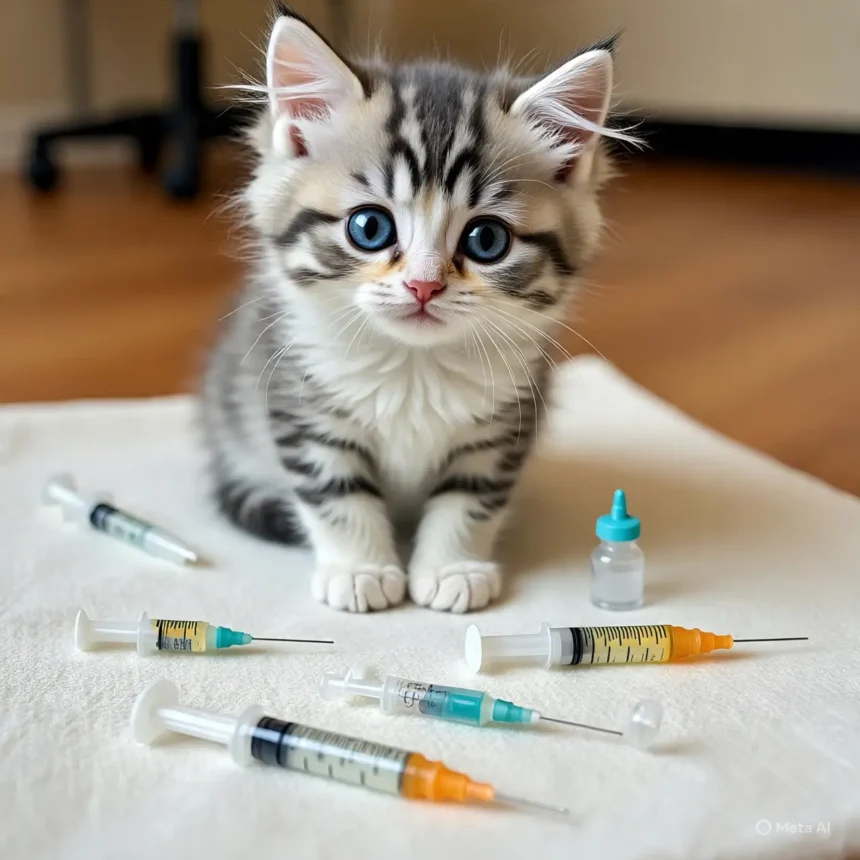
The feline leukemia virus (FeLV) is a devastating retrovirus threatening kitten health and adult cats alike, causing immune suppression, anemia, and cancers like lymphoma. As one of the leading causes of virus-related deaths in felines, FeLV demands proactive prevention through the feline leukemia vaccine. This comprehensive guide explores FeLV symptoms, causes, diagnosis, treatment, and the kitten leukemia vaccine, emphasizing its safety, effectiveness, and revaccination schedules.
What is Feline Leukemia Virus?
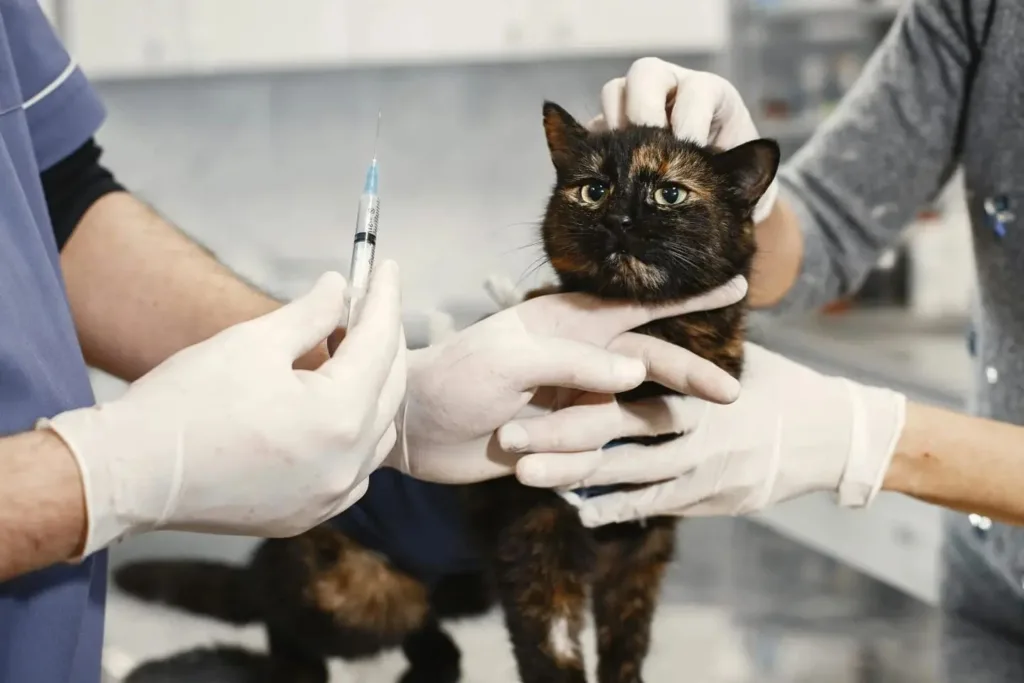
The feline leukemia virus (FeLV) is a retrovirus that infects cats, targeting white blood cells, bone marrow, and lymphoid tissues, weakening the immune system and predisposing cats to infections, anemia, and cancers. Unlike airborne pathogens, FeLV spreads through close contact via saliva, urine, feces, or milk, making it a “social disease” prevalent in multi-cat environments. Globally, FeLV affects 2–3% of cats in the U.S., with higher rates (up to 15%) in high-risk groups like outdoor cats, catteries, or shelters.
FeLV progresses in three stages:
- Abortive infection: Up to 70% of exposed cats clear the virus within weeks, thanks to robust immunity.
- Regressive infection: About 30% harbor latent virus in tissues, not shedding but potentially reactivating later.
- Progressive infection: The virus replicates unchecked, leading to persistent shedding and severe illness, with 80–90% mortality within 3–4 years.
Kittens are uniquely vulnerable due to immature immune systems. In utero transmission from infected queens can cause fading kitten syndrome, where newborns weaken and die rapidly. Kittens under 16 weeks face a 10-fold higher infection risk than adults, underscoring the urgency of early FeLV vaccination.
Symptoms of Feline Leukemia Virus (FeLV)
FeLV symptoms are insidious, often resembling common ailments, which complicates early detection. The virus suppresses immunity, reduces red blood cells, and triggers secondary diseases, manifesting as:
- Anemia-related signs: Pale gums, lethargy, rapid breathing, weakness, and collapse.
- Weight loss and appetite decline: Progressive wasting, poor muscle tone, and refusal to eat.
- Dull coat and grooming neglect: Brittle, matted fur signaling malnutrition or stress.
- Oral health issues: Gingivitis, stomatitis (painful mouth ulcers), and bad breath.
- Lymph node enlargement: Swollen nodes under the jaw, legs, or abdomen, often with low-grade fever.
- Recurrent infections: Chronic diarrhea, respiratory infections, conjunctivitis, skin abscesses, or urinary issues.
- Cancer symptoms: Lymphoma or leukemia causing abdominal masses, breathing difficulties, or seizures.
- Reproductive complications: Infertility, spontaneous abortions, or fading kittens in infected queens.
Kittens may show rapid deterioration—jaundice, stunted growth, or sudden death, especially in multi-cat settings. FeLV’s synergy with feline immunodeficiency virus (FIV) or feline infectious peritonitis (FIP) can intensify symptoms like neurological issues or kidney failure.
Causes of Feline Leukemia Virus (FeLV)
FeLV causes center on direct transmission through infected bodily fluids, requiring prolonged close contact. Unlike hardy viruses, FeLV survives only hours outside the host, reducing environmental spread. Transmission occurs via:
- Social interactions: Mutual grooming, shared food/water bowls, or litter boxes.
- Bite wounds: Aggressive encounters, especially among outdoor tomcats.
- Maternal routes: Infected queens pass FeLV to kittens via placenta, milk, or grooming—up to 50% of litters may be infected.
- High-risk environments: Shelters, catteries, or feral colonies increase exposure due to crowding.
Risk factors include outdoor access, being unneutered, kittens under 1 year, and co-infections like upper respiratory disease. Breed predispositions (e.g., Persians, Siamese) and even rare flea transmission may play a role. Neutering and indoor living are critical FeLV prevention steps.
How Veterinarians Diagnose Feline Leukemia Virus (FeLV)
FeLV diagnosis relies on rapid, accurate blood tests to detect infection early and prevent spread. Testing is recommended for:
- All new cats/kittens at adoption
- Before introducing cats to multi-cat homes
- After potential exposure (e.g., bites)
- Annually for outdoor or at-risk cats
Primary tests include:
- ELISA: Detects FeLV antigens in blood, saliva, or tears with 95% sensitivity and provides in-clinic results within minutes.
- IFA: Lab-based, confirms persistent infection by detecting virus in bone marrow.
- PCR: Detects viral DNA in regressive cases when ELISA/IFA are inconclusive.
Retest kittens 8–12 weeks after a positive ELISA, as 20–30% clear transient infections. Complete blood count (CBC) and chemistry panels assess anemia or organ damage.
Treatment of Feline Leukemia Virus (FeLV)
No cure exists for FeLV treatment, so care focuses on symptom management and quality of life:
- Antibiotics/antifungals for secondary infections
- Anemia management with transfusions or supplements
- Cancer therapy with chemotherapy or radiation
- Immune support with interferon or corticosteroids
- Supportive care such as appetite stimulants, fluids, high-calorie diets, and stress reduction
- Isolation to prevent spread to other cats
Prognosis: About half of progressively infected cats die within 2.5 years; regressive cases may live longer with vigilant care.
Is There a Test for FeLV Infection?
Yes, FeLV testing uses blood, saliva, or tear samples. ELISA is the gold standard with IFA or PCR for confirmation. Kittens should be tested at 8 weeks, with retests at 6 months to rule out transient infections. Point-of-care combo tests can screen for both FeLV and FIV in a single visit.
Does My Cat Need a Blood Test Before Vaccination?
Yes, a blood test before FeLV vaccination is critical to confirm FeLV-negative status, as vaccinating infected cats is ineffective. Testing is recommended for all kittens at 8–12 weeks before starting the vaccine series.
How Safe is the Vaccine?
The FeLV vaccine is highly safe for healthy cats, with adverse effects in less than 1% of cases. Two types dominate:
- Inactivated (killed) vaccines: Contain adjuvants; slightly higher sarcoma risk.
- Recombinant vaccines: Non-adjuvanted, lower sarcoma risk, and highly effective.
Side effects are typically mild, such as brief lethargy or localized swelling. The vaccine is safe for kittens as young as 8 weeks.
How Effective is FeLV Vaccination?
The FeLV vaccine is 80–95% effective at preventing persistent infection and shedding. It’s considered a core vaccine for kittens under 1 year and non-core for low-risk adult cats. Protection isn’t absolute but significantly lowers disease severity.
How Often is Revaccination Necessary?
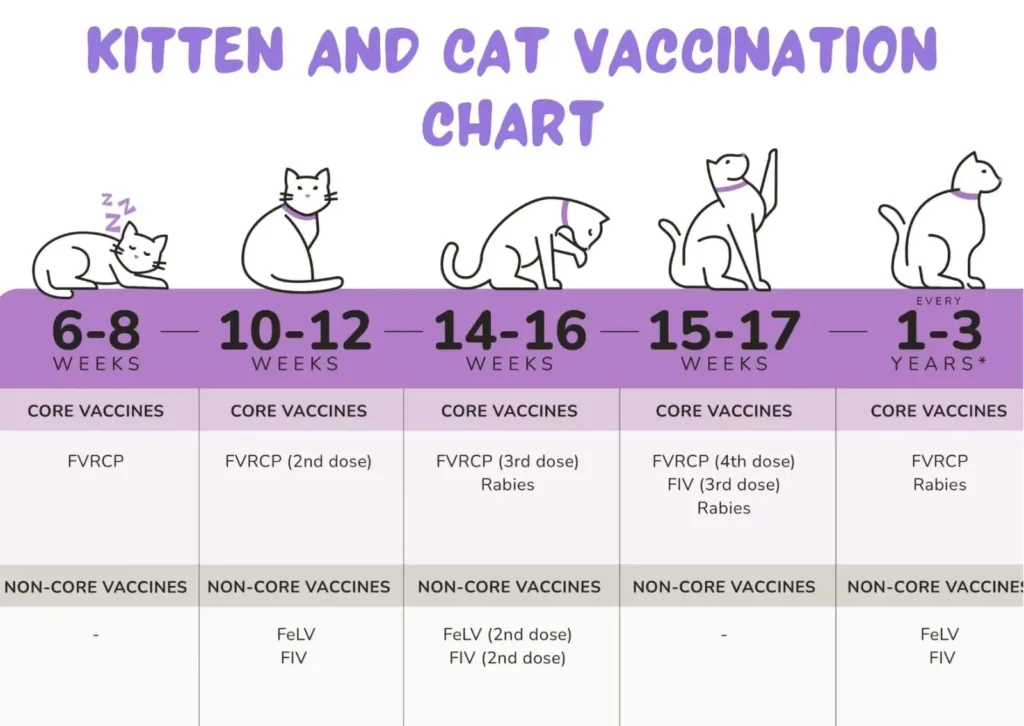
The FeLV vaccination schedule starts with a two-dose series for kittens:
- First dose: 8–12 weeks
- Second dose: 3–4 weeks later
Boosters:
- High-risk cats: Annual revaccination
- Low-risk cats: Every 2–3 years, based on vet advice
Immunity lasts at least 2 years, sometimes up to 3 years with recombinant vaccines.
FAQ
Q: Can indoor kittens skip the FeLV vaccine?
A: While low-risk, experts recommend the feline leukemia vaccine for all kittens due to potential escapes or new cat introductions.
Q: What happens if my kitten tests FeLV-positive?
A: Isolate from other cats, provide supportive care, and retest in 8–12 weeks. No vaccine is given; biannual vet checks are key.
Q: Is FeLV contagious to humans or other pets?
A: No—FeLV is feline-specific and poses no risk to humans, dogs, or other species.
Q: How much does the FeLV vaccine cost?
A: Typically $20–50 per dose; full kitten series plus exam may be higher depending on location.
Key Takeaways
- Vaccinate early: The feline leukemia vaccine at 8–12 weeks is the cornerstone of FeLV prevention, especially for kittens in high-risk settings.
- Test before vaccinating: A kitten blood test ensures FeLV-negative status, avoiding ineffective shots.
- Safe and effective: The FeLV vaccine has minimal risks and 80–95% efficacy, with recombinant options offering superior safety.
- Manage, don’t cure: FeLV-positive cats need lifelong supportive care—indoor living, neutering, and infection control extend life.
- Stay vigilant: Annual boosters and regular vet visits keep kitten health optimized against FeLV.
Protect your kitten from feline leukemia with timely testing and vaccination—consult your veterinarian for a tailored FeLV prevention plan today!
