


Feline Leukemia Virus (FeLV) is one of the most serious infectious diseases in cats. It weakens the immune system, causes anemia, and increases the risk of cancers like lymphoma.
For cat owners, especially kitten parents, understanding FeLV and the vaccine that prevents it is essential for long-term health and survival.
This guide breaks everything down in simple, vet-approved language so you can make informed decisions for your cat.
🦠 What Is Feline Leukemia Virus (FeLV)?
FeLV is a retrovirus that attacks a cat’s immune system, especially:
- White blood cells
- Bone marrow
- Lymphatic system
Once infected, cats become more vulnerable to infections, chronic illness, and certain cancers.
🐾 How common is FeLV?
- Around 2–3% of cats in the U.S. are infected
- Higher rates in shelters and outdoor cats
🧠 Vet Insight
FeLV is often called a “social disease” because it spreads through close contact between cats.
⚠️ How FeLV Spreads
FeLV does NOT spread easily through the air. It requires close or prolonged contact.
Common transmission routes:
- Grooming each other
- Shared food and water bowls
- Bite wounds
- Mother cat to kittens (milk or placenta)
- Litter box sharing
👉 Outdoor cats and multi-cat households are at much higher risk.
🐱 Symptoms of Feline Leukemia (FeLV)
FeLV symptoms develop slowly and are often confused with other illnesses.
Early warning signs:
- Lethargy (low energy)
- Loss of appetite
- Weight loss
Advanced symptoms:
- Pale gums (anemia)
- Recurrent infections
- Swollen lymph nodes
- Chronic diarrhea
- Breathing issues
- Mouth infections (gingivitis, ulcers)
- Sudden weakness
🚨 In kittens:
- Poor growth
- Sudden illness
- “Fading kitten syndrome”
- High risk of early death
🧬 Causes & Risk Factors
FeLV spreads mainly through infected saliva and bodily fluids.
High-risk situations:
- Outdoor access
- Unvaccinated cats
- Shelters or crowded environments
- Fighting or biting
- New cats entering the home
🐾 Vet Tip
Indoor-only cats still need protection because accidental escapes or new cat introductions can expose them.
🧪 How FeLV Is Diagnosed
Veterinarians use blood tests to detect FeLV early.
Common tests:
- ELISA test → quick in-clinic screening
- IFA test → confirms persistent infection
- PCR test → detects hidden or early infection
When testing is recommended:
- New kittens or adopted cats
- After exposure to unknown cats
- Before vaccination
👉 Kittens are usually retested after a few weeks for confirmation.
💉 Feline Leukemia Vaccine: What It Does
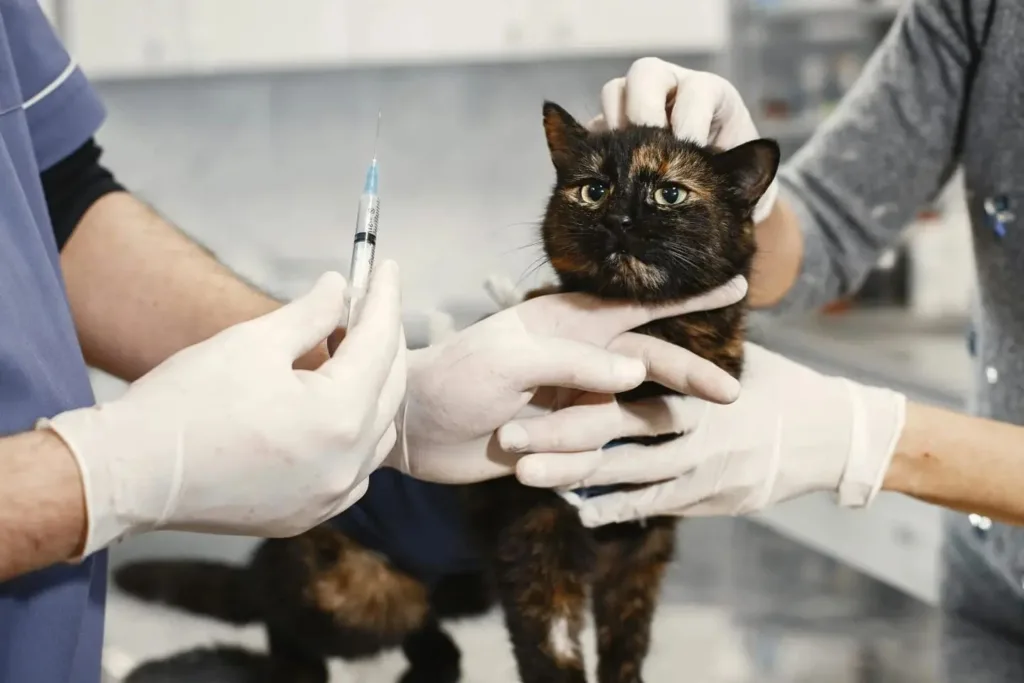
The FeLV vaccine helps prevent infection or reduce severity if exposure occurs.
Protection level:
- 80% to 95% effective
- Strong protection for kittens and high-risk cats
🧠 Vet Insight
It does not cure FeLV but significantly reduces the chance of infection.
🛡️ FeLV Vaccine Safety
The FeLV vaccine is considered very safe for cats.
Possible mild side effects:
- Temporary tiredness
- Mild swelling at injection site
- Low-grade fever
Vaccine types:
- Recombinant vaccine → safer, fewer side effects
- Inactivated (killed) vaccine → traditional option
Serious reactions are extremely rare.
📅 FeLV Vaccine Schedule
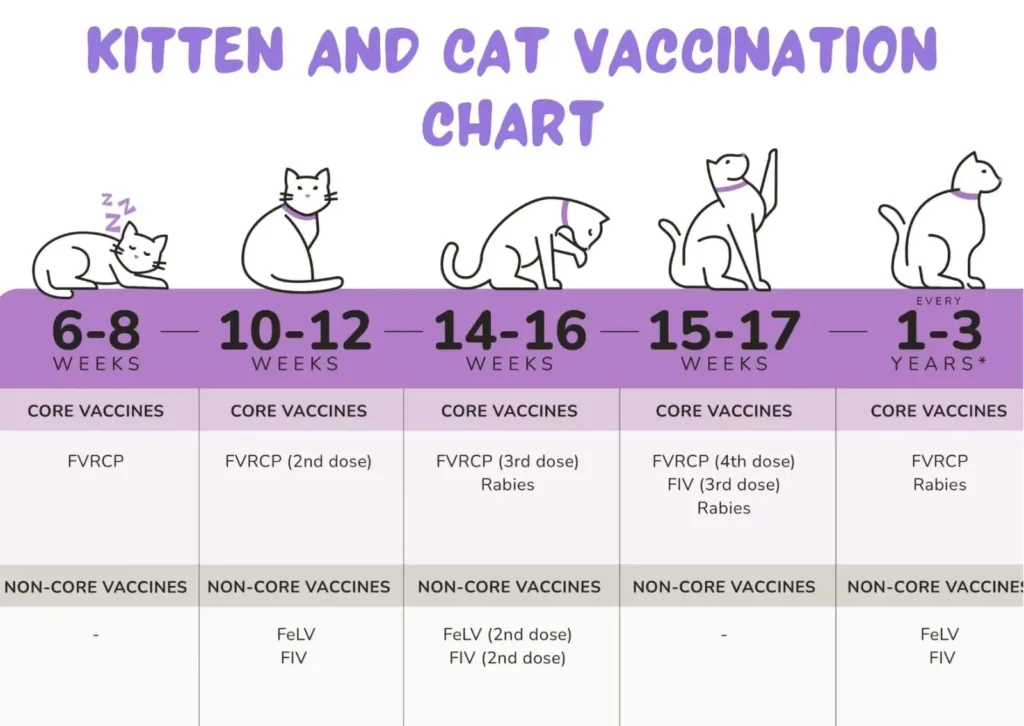
Kitten schedule:
- First dose: 8–12 weeks
- Second dose: 3–4 weeks later
Booster schedule:
- High-risk cats: yearly booster
- Low-risk cats: every 2–3 years
👉 Your vet will adjust based on lifestyle and exposure risk.
💰 Cost of FeLV Vaccine
The cost varies depending on location and clinic.
Average range:
- $20 to $50 per dose
- Full kitten series may cost more with exams included
🧠 Common Mistakes Cat Owners Make
- Skipping vaccination for indoor kittens
- Not testing before vaccinating
- Introducing new cats without screening
- Allowing outdoor unsupervised access
- Ignoring early symptoms
🐾 Treatment of FeLV (If Infection Occurs)
There is no cure for FeLV, only supportive care.
Treatment options:
- Antibiotics for infections
- Blood transfusions for anemia
- Appetite stimulants
- Cancer therapy (if needed)
- Immune support medications
🧠 Vet Reality Check
Many FeLV-positive cats can still live months or years with proper care and indoor protection.
🚑 What to Do If Your Cat Is Exposed or Tests Positive
Immediate steps:
- Isolate from other cats
- Visit a veterinarian
- Retest in 8–12 weeks
- Start supportive care plan
👉 Do not panic—early care makes a big difference.
❓ FAQs About FeLV Vaccine & Disease
Can indoor cats skip the FeLV vaccine?
No. Indoor cats can still be exposed through new cats or accidental escapes.
Is FeLV contagious to humans or dogs?
No. FeLV only affects cats.
Should kittens be tested before vaccination?
Yes. Testing ensures the vaccine is effective and necessary.
How long does FeLV vaccine protection last?
Usually 1–3 years depending on risk level and vaccine type.
What happens if a cat is FeLV positive?
They require lifelong monitoring, supportive care, and isolation from healthy cats.
🐱 Final Thoughts
Feline Leukemia is a serious but preventable disease. The FeLV vaccine is one of the most important tools available to protect kittens and at-risk cats.
Key takeaways:
- Vaccination is highly effective (80–95%)
- Kittens should be vaccinated early (8–12 weeks)
- Testing before vaccination is essential
- Indoor cats are still at risk
- There is no cure, only management
👉 The best protection is a combination of vaccination, testing, and responsible cat care.

