

Trimming your cat’s nails is a vital part of feline grooming that keeps your pet healthy, prevents furniture damage, and reduces accidental scratches. For many indoor cats, regular nail trimming is necessary to avoid overgrowth, as they lack natural surfaces to wear down their claws. This comprehensive guide covers everything you need to know about cat nail trimming, from how often to trim to step-by-step instructions, essential tools, and solutions for challenging cats. Whether you’re a new cat owner or struggling with a feisty feline, this article will help you master cat claw care and boost your bond with your pet.
Why Regular Cat Nail Trimming Matters
Routine nail trimming is essential for your cat’s health and comfort. Overgrown claws can curl into paw pads, causing painful ingrown nails, infections, or altered gait that may lead to joint problems. Regular trims prevent these issues, keep nails from snagging on carpets or furniture, and promote natural claw shedding. For indoor cats, who don’t have access to rough outdoor surfaces, consistent care is critical to avoid discomfort.
Beyond health, trimming reduces claw sharpness, minimising scratches to you, other pets, or surfaces. It also supports hygiene, as long nails can trap dirt and bacteria. Special cases, like polydactyl cats with extra toes, require extra attention since their nails don’t wear evenly. Regular claw care ensures your cat stays happy, healthy, and safe.
How Often Should You Trim Your Cat’s Nails?
The frequency of cat nail trimming depends on your cat’s age, activity level, health, and environment. Most cats need trims every 2 to 4 weeks. Indoor cats often require more frequent trims—every 1.5 to 2 weeks—since they don’t naturally file their nails outdoors. Kittens, with faster-growing nails, may need weekly trims, while senior cats or those with reduced mobility should be checked every 2 weeks to prevent overgrowth.
Outdoor cats might only need trims a few times a year, as they sharpen their claws on trees or pavement. Health conditions like arthritis, which limit scratching, may necessitate more frequent checks. Always inspect nails regularly and adjust based on your cat’s unique needs.
Signs Your Cat’s Nails Are Too Long
Catching overgrown nails early prevents complications. Look for these signs:
- Nails clicking loudly on hard floors when walking.
- Claws that don’t retract fully, appearing curved or hooked.
- Nails catching on carpets, blankets, or furniture, risking tears or breaks.
- Curling nails nearing the paw pad can cause pain, limping, or excessive licking.
- Sharp claws causing scratches or getting stuck in fabrics or collars.
Nails extending 3-5mm past the quick (the pink area inside) need trimming. Dewclaws, the “thumb” nails on the inner leg, grow faster since they don’t touch the ground, so check them often. For long-haired breeds like Persians, part the fur to inspect paws clearly.
Essential Supplies for Cat Nail Trimming
Prepare these tools for a smooth, safe trimming session:
- Cat-specific nail clippers: Choose scissors-style, guillotine-style, or pliers-style for precision—avoid human clippers, which can split nails.
- Nail grinder (optional): Smooths edges but may be noisy for some cats.
- Styptic powder or pencil: Stops bleeding if you cut the quick; cornstarch or flour can substitute in emergencies.
- Treats and toys: High-value rewards like tuna treats to create positive associations.
- Towel or blanket: For wrapping squirmy cats (the “purrito” method).
- Calming aids: Pheromone sprays like Feliway to reduce stress.
Ensure clippers are sharp and sanitised to prevent painful splits or infections.
Creating a Calm Environment for Nail Trimming
A relaxed cat makes trimming safer and easier. Choose a quiet, low-distraction room—close doors and turn off loud devices. Trim when your cat is sleepy, like after eating or playing. Use soft music (avoid bird sounds) and apply pheromone sprays 15 minutes prior.
Stay calm, as cats sense anxiety. Offer treats after each nail and praise generously. Watch for stress signs like growling, tail flicking, or flattened ears—pause and try later if needed. A partner can help by petting or distracting your cat during the process.
Getting Your Cat Comfortable With Paw Handling and Clippers
Build trust to make trimming stress-free. Start with daily paw massages: Gently rub each paw for 2-3 seconds, press to extend a nail, then release and reward with a treat. This desensitizes them, especially for kittens or rescues.
Introduce clippers gradually—let your cat sniff them, then mimic the clipping sound by cutting dry spaghetti near their paw, followed by treats. Practice extending claws without cutting, praising each time. Over days or weeks, this makes nail trims routine. For seniors or arthritic cats, handle paws gently to avoid discomfort.
Step-by-Step Guide to Trimming Your Cat’s Nails
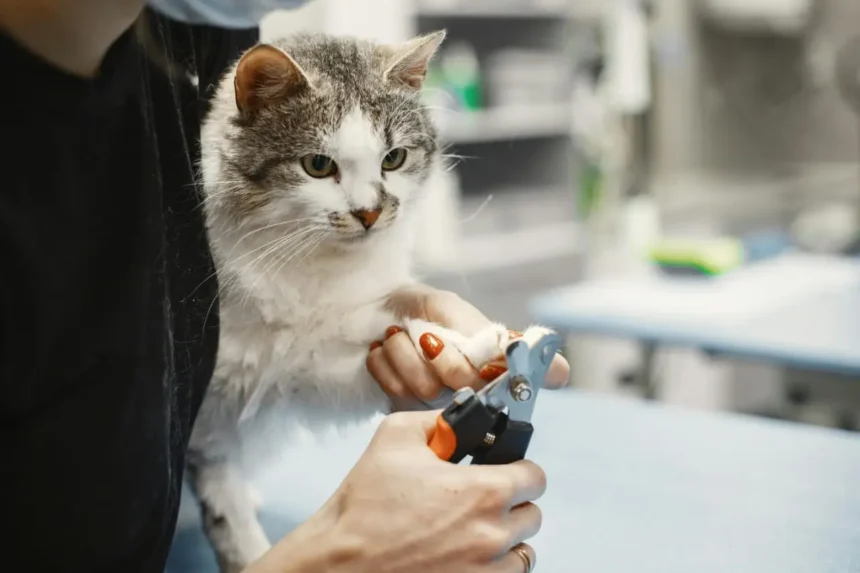
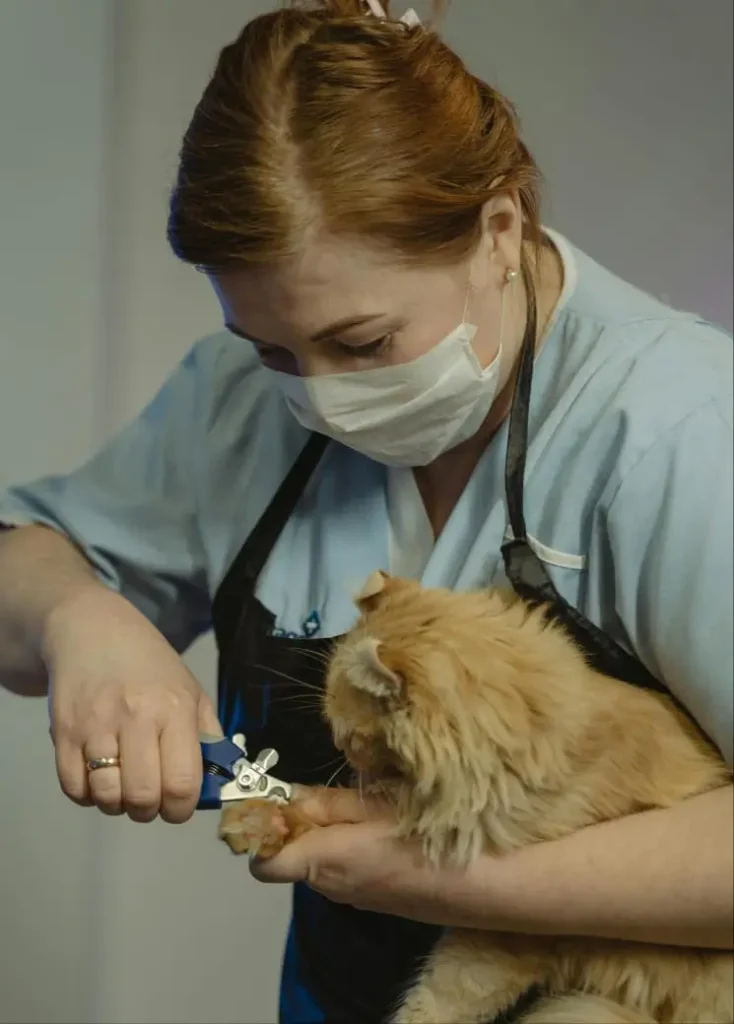
- Position your cat: Place them in your lap facing away or on a padded table. Use a towel wrap for wiggly cats.
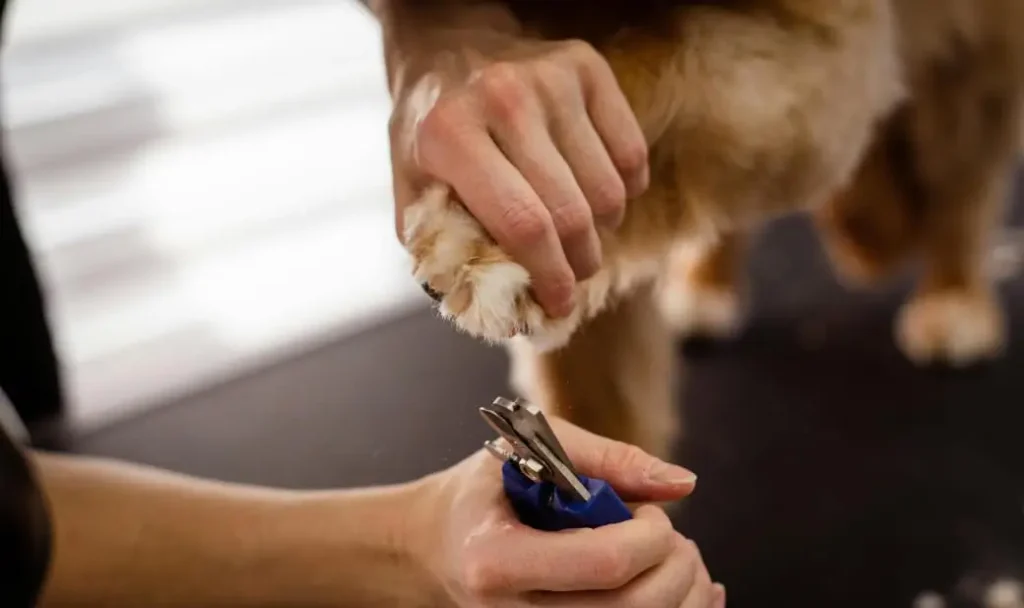
- Extend the nail: Press the paw pad gently with thumb and forefinger to expose the claw, pulling back any fur.
- Locate the quick: Identify the pink area in light nails; for dark nails, trim conservatively at the curve.
- Clip carefully: Use clippers at a 45-degree angle to snip just the sharp tip—about 2mm from the quick. Make quick, firm cuts to avoid splintering.
- Reward and repeat: Trim a few nails per session, including dewclaws, and offer treats after each.
Never cut into the quick, which contains nerves and blood vessels, causing pain and bleeding. If using a grinder, work slowly to avoid overheating.
Common Mistakes to Avoid When Trimming Cat Nails
Steer clear of these pitfalls:
- Using human clippers, which can crush and split nails.
- Rushing to trim all nails in one session—split into shorter sessions if your cat is stressed.
- Over-restraining, like scruffing, which breaks trust.
- Ignoring stress signals, risking bites or scratches.
- Relying on claw caps, which can stress cats by limiting natural behaviors like scratching.
Prioritize patience and safety over speed.
What to Do If You Cut the Quick and the Nail Bleeds
Accidentally nicking the quick happens—stay calm. Apply styptic powder to the nail and press for a few seconds to stop bleeding. If unavailable, use cornstarch, flour, or rub the nail on a bar of soap. Hold a clean cloth on the nail for 5-10 minutes. Bandage if necessary, but watch for infection signs like swelling or discharge. Contact a vet if bleeding lasts over 10 minutes or worsens. Comfort your cat with treats to restore trust.
Trimming Nails on a Resistant Cat
For cats who resist, take it slow. Trim 1-2 nails per session over several days. Use the “purrito” method: Wrap your cat snugly in a towel, exposing one paw. Distract with treats or have a helper pet them. Try trimming during naps or use a grooming bag for control. If resistance stems from pain (e.g., arthritis), consult a vet for calming medication. Gradual paw handling practice builds tolerance.
When to Visit a Vet for Nail Trimming
Some situations call for professional help. Take your cat to a vet if:
- They’re too aggressive or stressed for home trims.
- Nails are severely overgrown, ingrown, or infected, causing limping or discomfort.
- You need a demonstration or sedation for safe trimming.
- Your cat is a senior, polydactyl, or has health issues requiring expert care.
Vets or groomers can handle trims during routine visits, keeping costs manageable.
Final Thoughts on Cat Nail Care
Mastering cat nail trimming transforms a daunting task into a routine part of pet care. With patience, the right tools, and positive reinforcement, you can keep your cat’s claws healthy while strengthening your bond. Scratching posts complement trims but don’t replace them—regular checks are key. For tough cases, professional help ensures safety. Happy grooming!
FAQ: Your Cat Nail Trimming Questions Answered
Do scratching posts replace nail trimming?
No, they help shed outer layers but don’t always shorten nails enough—trims are still necessary.
Can I use human nail clippers on my cat?
No, they can split nails painfully. Use cat-specific clippers.
What if my cat hates nail trims?
Grinders have smooth edges but can be noisy. Test both to find what works for your cat.
Are nail grinders better than clippers?
Grinders have smooth edges but can be noisy. Test both to find what works for your cat.
Why do cats shed claw sheaths?
It’s normal—scratching sheds old layers, revealing sharper nails underneath.