


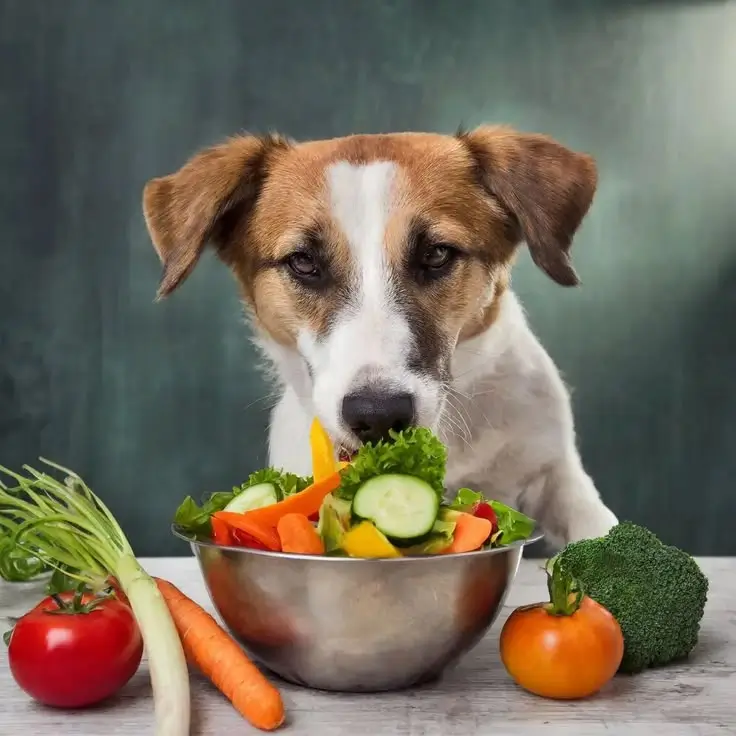
Many dog owners want to share healthy foods with their furry friends, but not every vegetable is safe for dogs. While some vegetables provide valuable vitamins, minerals, and fiber, others can cause digestive upset or even serious health problems.
So, what vegetables can dogs eat safely? The good news is that many common vegetables are not only safe but can also be a healthy addition to your dog’s diet when offered in moderation.
In this guide, you’ll learn which vegetables are safe, which ones to avoid, potential risks, and practical feeding tips recommended by veterinarians.
Are Vegetables Good for Dogs?
Yes, many vegetables can be beneficial for dogs.
Vegetables are naturally low in calories and rich in nutrients. They can provide:
- Fiber for healthy digestion
- Vitamins and minerals
- Antioxidants that support immune health
- Hydration from water-rich vegetables
- Healthy low-calorie treats for weight management
However, vegetables should never replace a complete and balanced dog food. Think of them as healthy snacks rather than a primary food source.
Veterinary nutritionists generally recommend that treats, including vegetables, make up no more than 10% of your dog’s daily calorie intake.
Safe Vegetables Dogs Can Eat
Carrots
Carrots are one of the most popular vegetables for dogs.
Benefits include:
- Rich in vitamin A
- Supports eye health
- High in fiber
- Low in calories
- Crunchy texture may help reduce plaque buildup
Many veterinarians recommend frozen carrot sticks as a healthy alternative to commercial treats.
Green Beans
Green beans are a great choice for dogs trying to lose weight.
Benefits include:
- Low calorie
- High fiber
- Rich in vitamins C and K
- Helps dogs feel full longer
Serve them plain without butter, salt, garlic, or seasonings.
Pumpkin
Plain pumpkin is often recommended by veterinarians for digestive issues.
Benefits include:
- Excellent source of fiber
- May help with mild constipation
- Can help firm loose stools
- Contains vitamins A, C, and E
Always choose plain canned pumpkin, not pumpkin pie filling.
Sweet Potatoes
Sweet potatoes are packed with nutrients.
Benefits include:
- Rich in fiber
- Contains vitamin A
- Supports digestive health
- Provides antioxidants
Cook thoroughly before serving. Raw sweet potatoes can be difficult for dogs to digest.
Cucumbers
Cucumbers are an excellent snack, especially during hot weather.
Benefits include:
- High water content
- Very low calorie
- Good for overweight dogs
- Refreshing and hydrating
Broccoli
Broccoli can be safe in small amounts.
Benefits include:
- Contains antioxidants
- Rich in vitamins C and K
- Supports immune health
Too much broccoli may cause gas or stomach discomfort, so offer it occasionally.
Peas
Green peas, snow peas, and sugar snap peas are generally safe.
Benefits include:
- Good source of protein
- Contains vitamins and minerals
- Supports overall health
Avoid canned peas that contain added sodium.
Spinach
Dogs can eat spinach occasionally.
Benefits include:
- Rich in iron
- Contains antioxidants
- Provides vitamins A, C, and K
Because spinach contains oxalates, it should only be fed in moderation.
Zucchini
Zucchini is another dog-friendly vegetable.
Benefits include:
- Low calorie
- Easy to digest
- High in water content
- Good source of vitamins
Many dogs enjoy small raw or cooked zucchini slices.
Bell Peppers
Red, yellow, and green bell peppers are safe for dogs.
Benefits include:
- Rich in vitamin C
- Contains antioxidants
- Supports immune function
Remove seeds and stems before serving.
Vegetables Dogs Should Avoid
Not all vegetables are safe.
Some can be toxic or harmful to dogs.
Onions
Onions contain compounds that can damage a dog’s red blood cells.
Symptoms of onion toxicity include:
- Weakness
- Pale gums
- Vomiting
- Rapid breathing
- Lethargy
Garlic
Although some people believe garlic is healthy for dogs, veterinary experts generally advise avoiding it because it can be toxic in certain amounts.
Chives
Chives belong to the same plant family as onions and garlic and can be poisonous to dogs.
Wild Mushrooms
Many wild mushrooms are toxic and potentially life-threatening.
Never allow your dog to eat mushrooms growing outdoors unless they have been identified as safe by an expert.
Unripe Tomatoes and Tomato Plants
Ripe tomatoes are usually safe in small amounts, but green tomatoes and tomato plants contain compounds that can be harmful.
Symptoms of Vegetable-Related Digestive Upset
Even safe vegetables can cause problems if a dog eats too much.
Watch for:
- Vomiting
- Diarrhea
- Gas
- Bloating
- Loss of appetite
- Stomach discomfort
If symptoms are severe or last more than 24 hours, contact your veterinarian.
Common Mistakes Dog Owners Make
Feeding Vegetables With Seasonings
Many seasonings are unsafe for dogs.
Avoid:
- Garlic powder
- Onion powder
- Excess salt
- Butter
- Sauces
- Spicy seasonings
Giving Large Amounts at Once
Suddenly introducing too many vegetables can upset your dog’s stomach.
Always start with small portions.
Feeding Unsafe Vegetables
Some owners assume all vegetables are healthy for dogs. Unfortunately, vegetables like onions and chives can be dangerous.
Ignoring Choking Hazards
Large vegetable pieces may become choking hazards, especially for small dogs.
Cut vegetables into bite-sized pieces before feeding.
How to Introduce Vegetables to Your Dog
Follow these simple steps:
- Start with a small amount.
- Offer one new vegetable at a time.
- Monitor for digestive upset.
- Increase gradually if tolerated.
- Keep portions moderate.
A slow introduction helps prevent stomach problems and allows you to identify food sensitivities.
Can Puppies Eat Vegetables?
Yes, puppies can eat many dog-safe vegetables in small amounts.
However:
- Introduce new foods gradually.
- Avoid hard chunks that may cause choking.
- Focus primarily on a complete puppy diet.
Always consult your veterinarian if you are unsure about adding new foods to a puppy’s diet.
Best Vegetables for Overweight Dogs
If your dog needs to lose weight, these low-calorie vegetables make excellent treats:
- Green beans
- Cucumbers
- Zucchini
- Celery
- Carrots (in moderation)
Many veterinarians recommend replacing high-calorie treats with vegetables to support healthy weight management.
Frequently Asked Questions
Can dogs eat vegetables every day?
Yes. Most healthy dogs can enjoy small amounts of safe vegetables daily as treats or food toppers.
What is the healthiest vegetable for dogs?
There is no single best vegetable, but carrots, green beans, pumpkin, and sweet potatoes are among the healthiest options.
Can dogs eat raw vegetables?
Many dogs can eat raw vegetables such as carrots, cucumbers, and bell peppers. However, some vegetables are easier to digest when cooked.
Can vegetables replace dog food?
No. Vegetables do not provide all the nutrients dogs need. They should only supplement a complete and balanced diet.
What should I do if my dog eats onions?
Contact your veterinarian immediately. Onion toxicity can be serious and may require prompt treatment.
Final Thoughts
Many vegetables can be a healthy and nutritious addition to your dog’s diet. Safe options like carrots, green beans, pumpkin, cucumbers, zucchini, and sweet potatoes provide valuable nutrients while helping keep treat calories under control.
The key is moderation. Introduce vegetables slowly, avoid toxic varieties such as onions and chives, and serve them plain without seasonings.
When used correctly, vegetables can be an easy and affordable way to support your dog’s overall health while adding variety to their daily routine.