

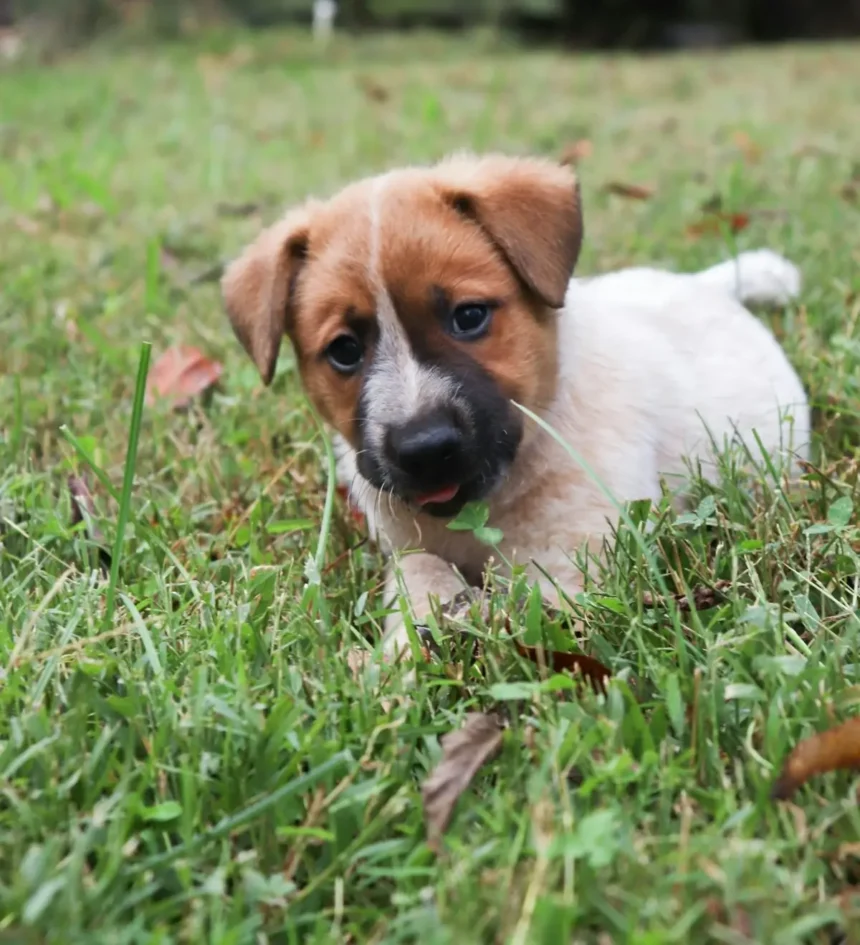
Seeing your dog munch on grass during a walk can feel strange—almost like they’ve suddenly turned into a tiny cow. Many pet owners worry, especially if it ends with vomiting.
So, why do dogs eat grass? Is it normal, or a sign something’s wrong?
The short answer: it’s usually normal.
But there’s more to the story.
After observing thousands of dogs—it’s clear that grass eating can mean different things depending on the situation. Let’s break it down in a simple, practical way.
Is It Normal for Dogs to Eat Grass?
Yes—most dogs will eat grass at some point, even when they’re perfectly healthy.
In fact, many dogs:
- Eat grass occasionally
- Show no signs of illness
- Don’t even vomit afterward
Dogs explore the world using their mouth as much as their nose. Fresh grass can feel soft, juicy, and interesting to chew.
👉 When it’s normal:
- Happens occasionally
- Dog is active and healthy
- No other symptoms
👉 When it’s not:
- Happens daily or obsessively
- Comes with vomiting, diarrhea, or low energy
Why Do Dogs Eat Grass? (7 Real Reasons)
1. Instinct from Their Wild Ancestors
Dogs didn’t always eat kibble.
Their ancestors (like wolves) ate whole prey—including plant material inside the stomach of herbivores.
So even today, your dog may still have that instinct.
👉 Think of it as leftover survival behavior, not a problem.
2. To Help Digestion
Grass contains fiber, which helps:
- Move food through the gut
- Support bowel movements
- Ease mild stomach discomfort
💡 Vet insight:
Some dogs eat grass when they feel “slightly off,” not seriously sick.
Contrary to popular belief:
- Dogs don’t always eat grass to vomit
- Most actually don’t throw up afterward
3. Low Fiber or Nutritional Gaps
If your dog’s diet lacks fiber or balance, they may look for alternatives—like grass.
👉 Common mistake pet owners make:
Feeding only:
- Low-quality kibble
- Too many treats
- No variety
Fix:
- Switch to high-quality dog food
- Add vet-approved fiber (like pumpkin)
4. Boredom or Lack of Activity
A bored dog will find something to do—and grass is free entertainment.
This is common in dogs who:
- Stay alone for long hours
- Don’t get daily walks
- Lack mental stimulation
👉 Grass eating becomes a habit, not a need.
Fix:
- More walks
- Puzzle toys
- Playtime with you
5. Anxiety or Stress
Dogs sometimes eat grass to calm themselves.
Triggers include:
- Separation anxiety
- New environment
- Loud noises
💡 Real-life observation:
Some anxious dogs chew grass the same way humans bite nails.
6. They Simply Like the Taste
Sometimes… it’s not that deep 😄
Fresh grass (especially after rain) can be:
- Soft
- Moist
- Slightly sweet
Dogs are curious eaters—they’ll try almost anything once.
7. Attention-Seeking Behavior
Dogs are smart.
If your dog notices:
“Every time I eat grass, my owner reacts…”
They may repeat it just to get your attention.
👉 Common owner mistake:
- Overreacting (shouting, pulling, panic)
Fix:
- Stay calm
- Redirect behavior instead
Is Eating Grass Dangerous for Dogs?
In most cases, no—it’s harmless.
But there are some real risks to watch for:
⚠️ Potential Dangers
- Pesticides & chemicals (biggest risk)
- Parasites from public parks
- Stomach irritation if eaten in large amounts
- Rarely, blockages
👉 Rule of thumb:
Safe grass = occasional eating is fine
When Should You Be Concerned?
You should pay closer attention if your dog:
- Eats grass every day
- Vomits frequently after eating it
- Has low energy
- Stops eating normal food
- Has diarrhea or weight loss
💡 Vet advice:
Grass eating alone isn’t the problem—the symptoms around it are.
How to Stop Your Dog from Eating Grass
If it’s becoming excessive, here’s what actually works:
1. Improve Diet
- Use high-quality dog food
- Add fiber if needed
2. Increase Exercise
- Daily walks are essential
- Burn off excess energy
3. Add Mental Stimulation
- Puzzle toys
- Training sessions
- Interactive play
4. Train “Leave It”
- Simple but powerful command
- Reward when they ignore grass
5. Provide Safe Alternatives
- Chew toys
- Dog-safe plants
Common Mistakes Owners Make
Avoid these:
❌ Assuming grass eating = sickness
❌ Panicking every time it happens
❌ Ignoring frequent or obsessive behavior
❌ Letting dogs eat grass in treated lawns
❌ Not addressing boredom or diet
FAQs
Why does my dog eat grass every day?
Daily grass eating often points to boredom, habit, or diet issues. It’s worth reviewing routine and nutrition.
Do dogs eat grass when they are sick?
Sometimes—but most grass-eating dogs are not sick. Look for other symptoms before worrying.
Should I let my dog eat grass?
Yes, if it’s clean and chemical-free, and your dog isn’t overdoing it.
Why does my dog eat grass and then vomit?
Grass can irritate the stomach lining, especially if eaten quickly. Occasional vomiting is usually not serious.
Can grass harm dogs?
Grass itself is safe—but chemicals, parasites, or overconsumption can be harmful.
Conclusion
So, why do dogs eat grass?
In most cases, it comes down to:
- Instinct
- Digestion
- Curiosity
- Or simple habit
For healthy dogs, occasional grass eating is completely normal.
The key is to:
- Watch frequency
- Notice other symptoms
- Ensure a good diet and active lifestyle
👉 And if something feels off, trust your instincts—a vet check is always the safest move.