

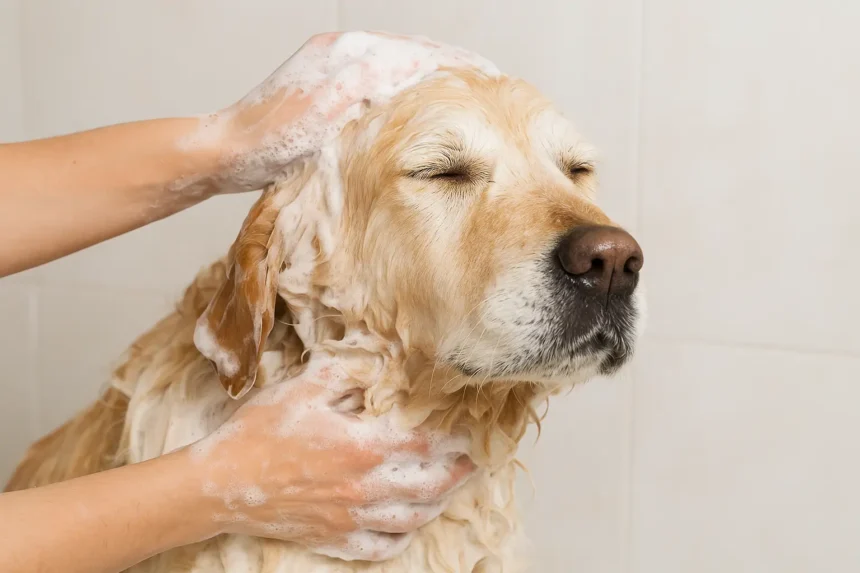
Dandruff in dogs isn’t just a cosmetic issue — it can signal skin irritation, allergies, or underlying health problems. If you’ve noticed white flakes on your dog’s fur, the right shampoo can help relieve itching, hydrate the skin, and restore a healthy coat.
In this vet-reviewed guide, we’ll explain what causes dandruff in dogs, how to choose the best shampoo, and review the top products available internationally. We’ve also included a quick comparison table, natural remedies, and expert tips to keep your pup flake-free.
What Causes Dandruff in Dogs?
Dog dandruff (also called canine seborrhea) occurs when the skin produces excess flakes due to dryness, irritation, or other factors. Common causes include:
- Dry air or low humidity
- Allergies (environmental or food-related)
- Parasites like fleas or mites
- Poor diet lacking essential fatty acids
- Underlying conditions (e.g., hypothyroidism, Cushing’s disease)
Pro Tip: If dandruff is severe or accompanied by redness, sores, or hair loss, consult a vet before trying shampoos.
How to Choose the Best Dog Dandruff Shampoo
When selecting a dandruff shampoo for dogs, look for:
| Ingredient | Benefit | Best For |
|---|---|---|
| Oatmeal | Soothes & moisturizes | Dry, sensitive skin |
| Aloe Vera | Hydrates & reduces irritation | Itchy skin |
| Salicylic Acid | Exfoliates dead skin cells | Flaky skin |
| Sulfur | Controls scaling & mild infections | Seborrheic dermatitis |
| Tea Tree Oil* | Antimicrobial properties | Mild fungal or bacterial issues (in small, safe amounts only) |
Avoid: Human shampoos, harsh detergents, and strong fragrances — they can worsen irritation.
Best Dog Dandruff Shampoos
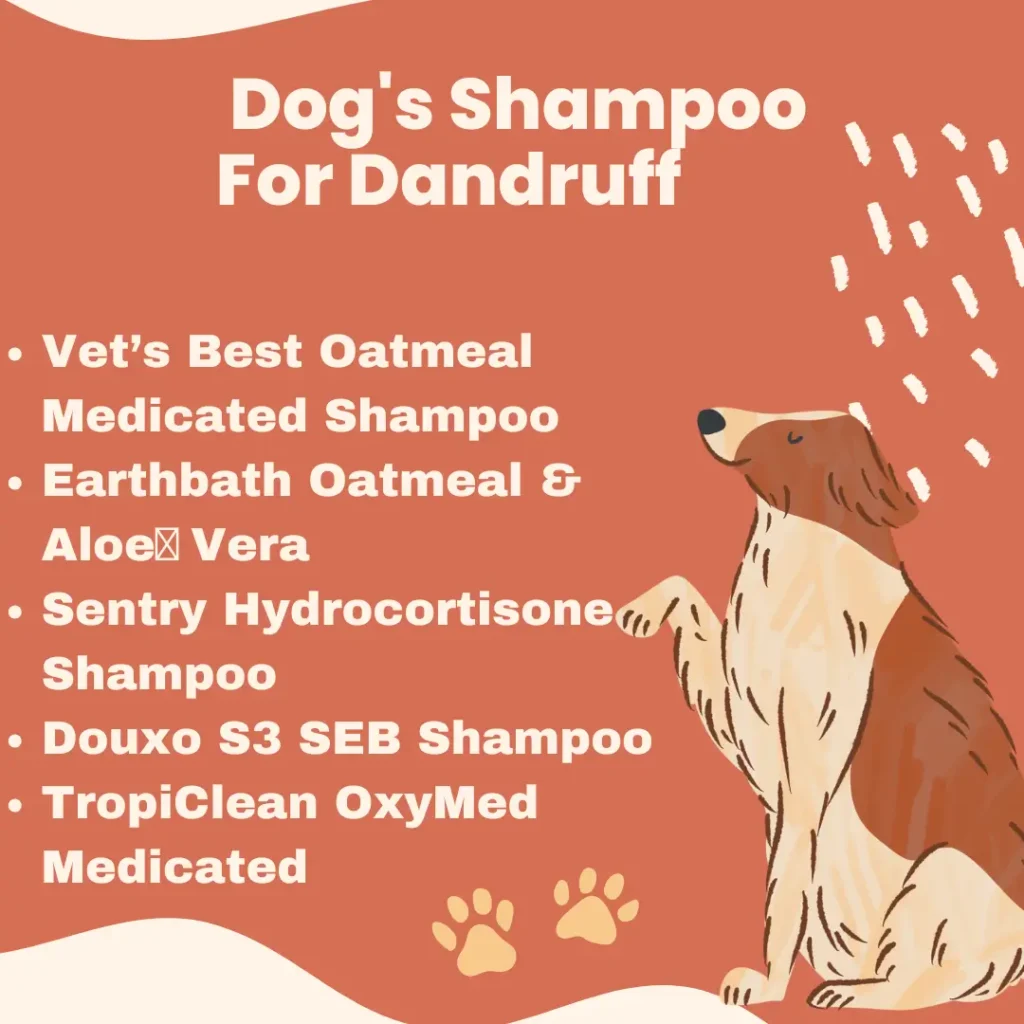
| Shampoo | Key Ingredients | Best For | Available At |
|---|---|---|---|
| Vet’s Best Oatmeal Medicated Shampoo | Oatmeal, Tea Tree Oil, Salicylic Acid | Dry skin & mild irritation | Amazon, Chewy |
| Earthbath Oatmeal & Aloe | Colloidal Oatmeal, Aloe Vera | Sensitive skin & allergies | Amazon, Zooplus |
| Sentry Hydrocortisone Shampoo | Hydrocortisone, Oatmeal | Itchy, inflamed skin | Chewy, Petco |
| Douxo S3 SEB Shampoo | Seboliance, Lipacid | Seborrhea & oily dandruff | Vet clinics, Amazon |
| TropiClean OxyMed Medicated | Salicylic Acid, Vitamin E | Severe flaking | Amazon, Petco |
Natural & Homemade Alternatives
If you prefer natural remedies, you can try:
- Coconut oil massage – moisturizes and reduces dryness
- Oatmeal bath – soothes itchy skin
- Apple cider vinegar rinse – balances skin pH (diluted only!)
Prevention Tips
- Feed a balanced diet rich in omega-3 & omega-6 fatty acids
- Brush your dog regularly to distribute natural oils
- Use a humidifier in dry climates
- Bathe only as needed to avoid stripping natural oils
Frequently Asked Questions (FAQs)
Can I use human dandruff shampoo on my dog?
No. Human shampoos (like Head & Shoulders) can be too harsh and cause skin irritation in dogs. Always use a dog-specific formula.
How often should I bathe my dog for dandruff?
Once every 1–2 weeks with a gentle, medicated dog shampoo is usually enough. Overbathing can dry out the skin.
Will dandruff go away on its own?
Mild dandruff may improve with better diet and grooming, but persistent dandruff usually needs treatment.
Conclusion
Dog dandruff is common but treatable with the right care. A high-quality dog dandruff shampoo can soothe irritation, remove flakes, and restore a shiny, healthy coat. Always pair topical care with proper grooming, hydration, and nutrition for long-lasting results.